

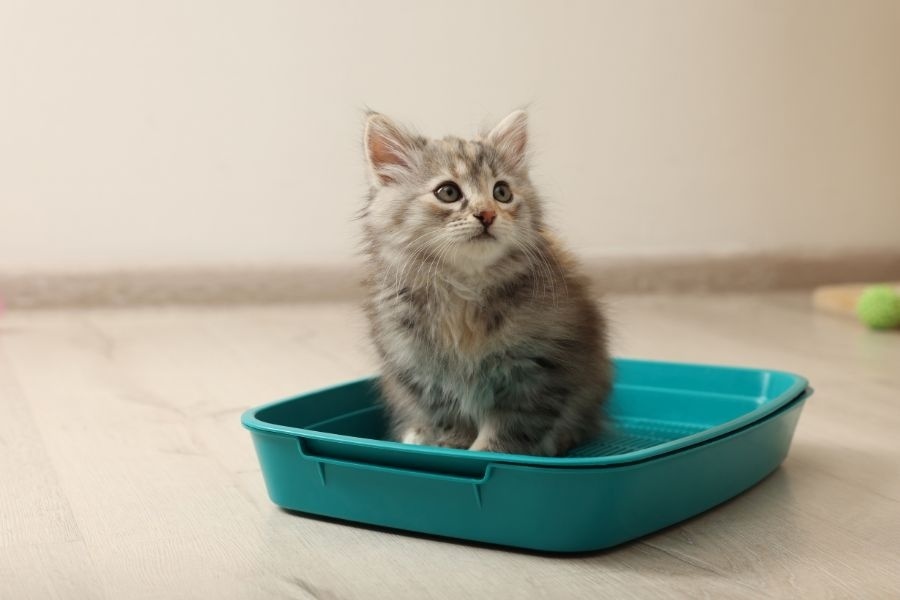
Most people assume a cat’s personality is simply something they are born with. While genetics play a role, the experiences a kitten has during their first few months of life have a profound impact on who they become. From curiosity and confidence to fearfulness and aggression, early socialization shapes behavioral patterns that often last a lifetime. Thoughtful kitten care during this critical window is one of the most important investments you can make in your cat’s long-term well-being. At Northside Veterinary Clinic, we work with kitten owners across Brooklyn to support healthy behavioral development from the very start.
The Socialization Window: Why Timing Matters
Kittens go through a sensitive period of socialization that typically runs from two to seven weeks of age. During this time, their brains are highly receptive to new experiences, and the impressions formed in these weeks tend to stick. Kittens who are regularly handled by humans, exposed to different sounds, and introduced to a variety of environments during this phase are far more likely to grow into confident, adaptable adults.
This window closes gradually, and by the time a kitten reaches twelve weeks, their personality is already beginning to solidify. That does not mean older kittens cannot be socialized, but it does mean the process becomes slower and requires more patience. If you are adopting a kitten, asking about their early environment and handling history gives you valuable insight into what to expect and what kind of support they may need.
Breeders and shelters who understand the importance of this window will begin gentle socialization practices early, including regular human handling, exposure to household noises like vacuum cleaners and doorbells, and supervised interaction with other animals. When this groundwork is laid well, kittens arrive in their new homes with a head start.
How Human Handling Builds Trust and Confidence
Kittens who are regularly and gently handled from a young age develop a fundamental comfort with human touch that shapes how they respond to veterinary care, grooming, and affection throughout their lives. A kitten who has been held, examined, and spoken to softly learns that humans are safe, and that security becomes the foundation for a confident personality.
The quality of early handling matters just as much as the frequency. Rough play, being startled frequently, or being handled by too many people too quickly can create negative associations that are difficult to undo. Calm, consistent, and positive contact during the socialization window produces the best results.
As a new kitten owner, you can continue building on this foundation at home. Short daily handling sessions that include touching your kitten’s paws, ears, and mouth help desensitize them to the kind of contact they will experience during veterinary exams and grooming appointments. This is a simple but genuinely powerful part of proactive kitten care that most owners overlook entirely.
The Role of Play in Behavioral Development
Play is not just entertainment for kittens. It is how they learn to regulate their impulses, develop coordination, practice social boundaries, and build self-assurance. Kittens who have ample opportunity for appropriate play are less likely to develop problem behaviors like aggression, excessive fearfulness, or destructive habits as they grow.
Interactive play with wand toys, feather teasers, and puzzle feeders gives kittens an outlet for their natural hunting instincts in a way that reinforces positive behavior. Equally important is discouraging rough play with hands and feet from the very beginning. Kittens who learn that human hands are acceptable targets for biting and scratching often become cats with serious boundary issues, and breaking that habit later is considerably harder.
Playtime also strengthens the bond between kitten and owner, and that relationship is itself a form of socialization. A kitten who trusts their owner, plays with them daily, and associates their presence with positive experiences is building the emotional confidence that makes them easier to handle, calmer at the vet, and more adaptable to change throughout life.
Environment as a Teacher: What Your Home Communicates
The physical environment a kitten grows up in shapes their behavioral development just as much as human interaction does. A home that is enriching, varied, and safe teaches a kitten that novelty is interesting rather than threatening. Vertical spaces like cat trees and shelves, hiding spots, window perches, and rotating toys give kittens opportunities to explore, observe, and feel in control of their surroundings.
A kitten who grows up in an environment that is overly sparse, unpredictable, or stressful may develop chronic anxiety that manifests as hiding, aggression, excessive vocalization, or inappropriate elimination. These are not personality flaws; they are responses to an environment that did not meet their developmental needs.
In Brooklyn, where many pet owners live in apartments, creating an enriching indoor environment is especially important. Vertical space, window access, and consistent sensory input go a long way toward raising a kitten who is mentally stimulated, emotionally balanced, and behaviorally well-adjusted.
Conclusion: Early Kitten Care Shapes a Lifetime of Connection
The personality your kitten develops is not fixed at birth. It is shaped day by day through the experiences, interactions, and environments you provide during their most formative months. Good kitten care during this window is not complicated, but it is intentional. It means handling your kitten gently and consistently, offering rich opportunities for play and exploration, and staying attuned to their signals throughout the adjustment process.
At Northside Veterinary Clinic in Brooklyn, our team is passionate about helping kitten owners understand the behavioral side of early development, not just the medical side. A wellness visit is the perfect opportunity to talk through socialization, behavioral milestones, and how to set your kitten up for a confident, connected life. Book your kitten’s first appointment today and give your new companion the foundation they deserve. We are committed to supporting kitten care at every stage, from the first wellness exam to behavioral guidance that grows with your cat. Schedule your kitten’s visit today and give your pet the care they deserve.
Frequently Asked Questions
Q1. What is the kitten socialization window and why does it matter?
The socialization window is a sensitive developmental period that runs roughly from two to seven weeks of age. During this time, kittens are especially receptive to new experiences, and what they encounter shapes their long-term behavioral tendencies. Positive exposure to humans, sounds, and environments during this phase produces more confident and adaptable adult cats.
Q2. Can I socialize a kitten who missed the early socialization window?
Yes, but it requires more time and consistency. Older kittens and even adult cats can make meaningful progress with patient, low-pressure socialization. Short, positive interactions, a calm environment, and allowing the cat to set the pace are key. A veterinarian can offer guidance tailored to your kitten’s specific history and temperament.
Q3. Why does my kitten bite during play, and how do I stop it?
Biting during play is a normal developmental behavior, but it becomes a problem when kittens learn that human hands are acceptable targets. Always redirect biting toward appropriate toys rather than pulling away sharply, which can escalate excitement. Consistent boundaries from the start are the most effective way to prevent this from becoming a lasting habit.
Q4. How does kitten care in Brooklyn differ for cats living in apartments?
Indoor kittens in apartments need intentional environmental enrichment to make up for limited outdoor access. Vertical cat trees, window perches, puzzle feeders, and daily interactive play sessions are especially important for apartment-raised kittens in Brooklyn. A stimulating indoor environment supports healthy behavioral development and prevents boredom-related issues.
Q5. When should I bring my kitten in for their first veterinary visit?
Ideally within the first week of bringing your kitten home. An early wellness exam covers a full physical, parasite screening, vaccination planning, and nutritional guidance. It is also a great opportunity to discuss socialization milestones and get personalized kitten care advice from a veterinarian who knows your pet.
Related Articles

Find a Puppy & Kitten Vet Near Brooklyn, New York
Finding a full service vet clinic in Brooklyn for your new furry friend is easy with our online direct booking feature. Both new and existing clients seeking care from a veterinarian may schedule an appointment at Northside Veterinary Clinic.