

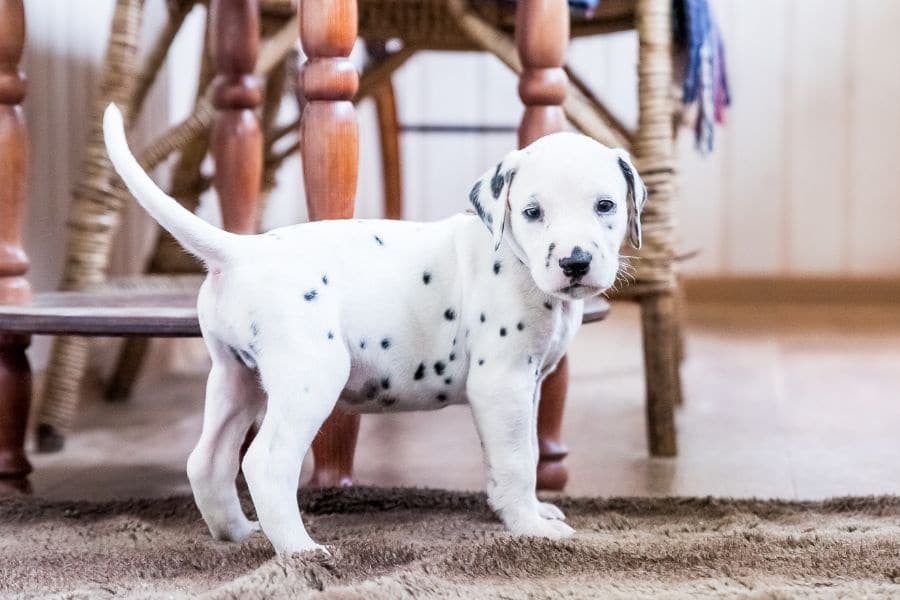
Bringing home a puppy is an exciting experience, but the early months also come with plenty of responsibility. Puppies are learning how to eat, sleep, play, explore, and interact with the world around them. A consistent daily routine can make these changes easier for both the puppy and the family. Good puppy care is not about creating a rigid schedule that never changes. Instead, it is about establishing predictable patterns that help a growing puppy understand what happens throughout the day. Regular meals, rest, play, training, bathroom breaks, grooming, and veterinary care can all become valuable parts of a healthy routine.
For families in Brooklyn, building these habits early can support a puppy as they grow into a confident and healthy adult dog. A routine also gives pet parents an easier way to notice changes in appetite, energy, bathroom habits, sleep, or behavior.
Start the Day With a Consistent Schedule
Puppies benefit from knowing what to expect. Try to keep morning activities in a similar order each day. A typical morning may include a bathroom break, breakfast, gentle activity, and another opportunity to rest.
Young puppies often need frequent bathroom breaks because their bodies are still developing. Taking your puppy outside regularly and using consistent cues can help establish good habits.
Avoid expecting a very young puppy to follow the same schedule as an adult dog. Bathroom needs, feeding frequency, and sleep requirements change as puppies mature.
A predictable morning routine can also reduce confusion and help your puppy settle into the household.
Make Mealtimes Predictable
Nutrition plays an important role in the development of a growing puppy. Puppies need food that is appropriate for their age, size, growth stage, and individual nutritional requirements.
Establishing regular meal times can make it easier to monitor how much your puppy eats. It can also help you recognize changes in appetite.
Follow feeding recommendations from your veterinarian and the nutritional guidance appropriate for your puppy. Avoid making frequent food changes unless they are necessary or recommended by a veterinary professional.
Treats should also be considered as part of your puppy’s overall daily intake. Small training rewards can add up quickly, so use them thoughtfully.
Give Your Puppy Plenty of Sleep
One of the most important parts of puppy care is often overlooked. Puppies need a significant amount of sleep while their bodies and brains develop.
A puppy that seems overly energetic may actually be overtired. Some puppies become restless, mouthy, or unable to settle when they need sleep.
Create a comfortable resting area where your puppy can relax without constant interruptions. Keep this space associated with calm and positive experiences.
Allowing regular naps throughout the day can help your puppy recover from play, training, and exploration. As your puppy grows, their sleep patterns will gradually change.
Schedule Short Play Sessions
Play provides physical activity and mental stimulation, but young puppies do not necessarily need long periods of intense exercise.
Short play sessions spread throughout the day are often easier for a growing puppy to manage. Simple games, gentle interaction, and age appropriate activities can help your puppy stay engaged without becoming excessively tired.
Pay attention to your puppy’s behavior. If they become unusually tired, lose interest, or seem uncomfortable, allow them to rest.
Your veterinarian can help you understand what types and amounts of exercise are suitable for your puppy based on age, breed, size, and development.
Include Training in Everyday Activities
Training does not have to mean long formal sessions. Puppies can learn during ordinary moments throughout the day.
Practice simple behaviors such as responding to their name, coming when called, sitting, waiting briefly, and walking calmly with you. Keep training sessions short and positive.
Using rewards and praise can help your puppy understand which behaviors you want to encourage.
Consistency is important. If one family member allows a behavior while another discourages it, your puppy may become confused. Try to establish household rules that everyone can follow.
Build Safe Social Experiences
A growing puppy needs opportunities to learn about people, environments, sounds, surfaces, and everyday experiences.
Socialization should be gradual and appropriate for your puppy’s health status. Rather than overwhelming your puppy with too many new experiences at once, introduce new situations calmly and allow your puppy to observe at their own pace.
Watch your puppy’s body language. If they appear frightened, overwhelmed, or unable to settle, increase distance or provide a quiet break.
Your veterinarian can provide guidance about safe socialization opportunities based on your puppy’s individual health needs and developmental stage.
Practice Gentle Grooming
Grooming can become much easier when it is introduced as part of a normal routine.
Handle your puppy’s paws gently, touch their ears, examine their coat, and introduce brushing in short sessions. These experiences can help your puppy become comfortable with routine handling.
Keep early grooming sessions brief and positive. Reward calm behavior and stop before your puppy becomes frustrated.
Regular handling can also make it easier for you to notice changes such as skin irritation, unusual lumps, changes in coat condition, or problems with the paws.
Keep Bathroom Breaks Consistent
House training requires patience and repetition. Puppies often need bathroom opportunities after sleeping, eating, drinking, playing, and periods of excitement.
Take your puppy to the same designated area when possible and use consistent verbal cues. Praise appropriate behavior immediately after they finish.
Accidents are a normal part of puppy development. Avoid punishment, which can create fear or confusion. Instead, focus on supervision, frequent opportunities, and consistent reinforcement.
If your puppy suddenly has frequent accidents after previously developing good habits, speak with your veterinarian. A change in bathroom behavior can sometimes have a medical cause.
Create a Calm Evening Routine
A consistent evening routine can help your puppy understand when the day is winding down.
Consider a final meal based on your veterinarian’s feeding recommendations, a calm period of interaction, a bathroom break, and quiet time before sleep.
Avoid turning late evening into a period of intense play if your puppy struggles to settle afterward.
A comfortable sleeping area can help your puppy develop healthy sleep habits. Keep the environment quiet and predictable while your puppy adjusts to the household.
Monitor Your Growing Puppy’s Health
Daily routines are also useful because they help you understand what is normal for your puppy.
Pay attention to appetite, water consumption, energy, stool, urination, sleep, breathing, coat condition, and behavior. Puppies change quickly, so small differences may be easier to notice when you follow a regular schedule.
Keeping track of your puppy’s weight can also be useful. Your veterinarian can monitor growth and help determine whether your puppy is developing appropriately.
If you notice a significant or persistent change, contact your veterinary team for guidance.
Make Veterinary Care Part of the Routine
Routine veterinary visits are an important part of puppy care. Your veterinarian can monitor growth, body condition, dental development, nutrition, behavior, and other aspects of your puppy’s health.
These appointments are also an opportunity to ask questions about exercise, feeding, training, grooming, socialization, and home routines.
Because every puppy develops differently, recommendations should be tailored to the individual dog. Breed, size, age, lifestyle, and medical history can all influence the appropriate care plan.
Keeping a record of your puppy’s weight, diet, behavior, and questions between visits can make veterinary appointments more productive.
Adjust the Routine as Your Puppy Grows
A puppy’s needs do not remain the same throughout the first year. Feeding schedules may change, bathroom control improves, exercise tolerance develops, and sleep patterns gradually become more predictable.
Instead of expecting your puppy to maintain one schedule forever, adjust the routine as they mature.
The goal is to create healthy habits that can eventually become part of your adult dog’s lifestyle. Regular meals, appropriate exercise, mental stimulation, grooming, rest, training, and veterinary care can provide a strong foundation.
Build Healthy Habits in Brooklyn
A healthy daily routine gives your puppy structure while allowing them to learn at a comfortable pace. The most effective routine combines consistency with flexibility and takes your puppy’s individual needs into account.
For pet parents in Brooklyn, Northside Veterinary Clinic can provide guidance as your growing puppy develops. From nutrition and exercise questions to routine health monitoring and behavior concerns, your veterinary team can help you make informed choices at every stage.
Remember that a routine should support your puppy rather than overwhelm them. Plenty of sleep, balanced nutrition, appropriate activity, positive training, safe social experiences, and regular veterinary care can help create a foundation for lifelong health.
Schedule Puppy Care With Northside Veterinary Clinic
Want guidance on creating a healthy routine for your growing puppy? Schedule an online appointment with Northside Veterinary Clinic in Brooklyn.
Our veterinary team can help you discuss nutrition, growth, exercise, behavior, grooming, and other aspects of puppy care based on your dogs individual needs. Book an appointment online and take a proactive step toward supporting your puppy as they grow.
FAQ or Frequently Asked Questions
Q1. How much sleep does a growing puppy need each day?
Ans: Puppies generally need plenty of sleep because their bodies and brains are developing rapidly. Individual needs vary by age and puppy, so your veterinarian can provide guidance based on your dogs development.
Q2. How often should I take my puppy outside for bathroom breaks?
Ans: Young puppies usually need frequent bathroom opportunities, particularly after waking, eating, drinking, playing, and periods of excitement. The appropriate schedule changes as bladder control develops.
Q3. Should puppy training be part of the daily routine?
Ans: Yes. Short, positive training sessions can be incorporated into normal daily activities. Consistent practice can help your puppy learn household expectations without becoming overwhelmed.
Q4. How can I tell if my puppy needs more rest?
Ans: Excessive biting, restlessness, difficulty settling, or sudden changes in behavior can sometimes indicate that a puppy is overtired. Providing a quiet resting period can help your puppy recover.
Q5. When should I adjust my puppys daily routine?
Ans: A routine should change as your puppy grows. Feeding frequency, exercise, bathroom needs, sleep patterns, and training can all evolve during development. Your veterinarian can help you make appropriate adjustments.
Related Articles
Find a Puppy & Kitten Vet Near Brooklyn, New York
Finding a full service vet clinic in Brooklyn for your new furry friend is easy with our online direct booking feature. Both new and existing clients seeking care from a veterinarian may schedule an appointment at Northside Veterinary Clinic.