

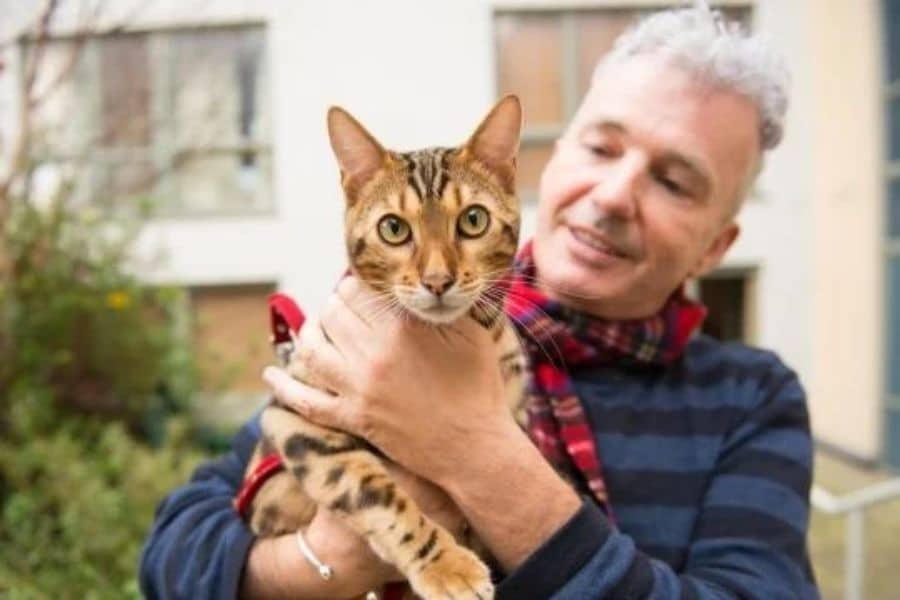
Your dog still greets you at the door, your cat continues to nap in a favorite sunny spot, and both seem to be eating and behaving normally. It is easy to assume that everything is fine and that another veterinary visit can wait. However, dogs and cats are remarkably good at hiding discomfort. A pet can look healthy on the outside while subtle changes are developing beneath the surface.
This is one reason routine pet preventive care matters, even when there are no obvious signs of illness. Dogs and cats may instinctively conceal weakness or discomfort, making early health concerns difficult for owners to recognize. By the time a pet stops eating, avoids activity, or visibly appears unwell, an underlying condition may have progressed.
At Northside Veterinary Clinic in Brooklyn, regular wellness visits help establish a clearer picture of your pet’s health over time. Bi-annual checkups, or visits approximately every six months, give veterinary professionals opportunities to identify subtle changes and discuss appropriate care before problems become more difficult to manage.
Why Dogs and Cats Often Hide Signs of Discomfort
Pets do not communicate pain and illness in the same way people do. Their evolutionary survival instincts can influence how they respond to discomfort. In the wild, showing weakness could make an animal more vulnerable, so dogs and cats may instinctively limit obvious displays of pain or illness.
This behavior can continue in household pets. A cat with dental discomfort might still eat, but chew more slowly or favor one side of the mouth. A dog experiencing joint stiffness may continue going on walks while taking longer to stand after resting.
These changes are easy to overlook because they often happen gradually. Owners may assume that a pet is simply becoming less active with age or developing new preferences.
Some subtle changes worth observing include:
- Sleeping more than usual or changing sleeping locations.
- Hesitating before jumping onto furniture or climbing stairs.
- Becoming less interested in play.
- Grooming less frequently or avoiding certain areas of the body.
- Drinking more water or urinating more often.
- Becoming unusually withdrawn, restless, or irritable.
None of these signs automatically confirms a particular illness. However, changes from your pet’s normal behavior deserve attention, especially when they persist.
Why Six Months Can Make a Difference
A common comparison suggests that one calendar year for a dog or cat can represent roughly five to seven human years of physiological aging. This is only a general illustration, not a precise conversion. Aging rates vary according to species, breed, size, genetics, and individual health.
The important point is that pets can experience meaningful health changes within a relatively short period. Waiting an entire year between examinations may leave a longer gap during which developing concerns go unnoticed.
For adult and middle-aged pets, checkups approximately every six months can provide more frequent opportunities to assess weight, mobility, dental health, organ function, and other important indicators. Senior pets or animals with ongoing medical conditions may need an even more individualized schedule.
Bi-annual visits also allow the veterinarian to compare current findings with previous records. A small change in weight, heart rate, or muscle condition may be more meaningful when viewed as part of a longer health history.
What Happens During a Nose-to-Tail Wellness Examination?
A pet wellness care appointment involves more than checking whether your companion appears healthy. A hands-on physical examination allows the veterinary team to evaluate several body systems and look for changes that may not be obvious at home.
Heart rate and rhythm: The veterinarian listens to the heart to assess its rate and rhythm. Subtle changes or unusual sounds may indicate a need for further evaluation.
Lymph nodes: Lymph nodes are examined for changes in size, shape, or texture. Enlargement can occur for several reasons, including inflammation, infection, and certain other conditions.
Abdominal organs: Gentle abdominal palpation helps assess the size, shape, and general feel of internal structures. Enlargement, unusual firmness, or discomfort may prompt additional diagnostic testing.
Body condition and muscle mass: Weight measurements alone do not tell the whole story. The veterinarian also evaluates fat coverage and muscle condition to identify weight changes or muscle loss.
Skin, coat, and ears: Changes such as lumps, irritation, hair loss, unusual odor, or inflammation can provide useful clues about overall health.
Eyes, nose, and mouth: The examination includes looking for discharge, visible abnormalities, dental concerns, and other changes that may require attention.
A normal physical examination is reassuring, but it cannot rule out every disease. If something requires closer investigation, the veterinarian may recommend laboratory testing or diagnostic imaging.
Subtle Heart Changes Deserve Attention
Heart-related conditions do not always produce obvious symptoms during their early stages. A dog may continue eating, walking, and playing while developing changes in heart rhythm or function.
During a wellness examination, the veterinarian listens for irregular rhythms and unusual heart sounds, including murmurs. Changes in heart rate may also provide useful information when considered alongside your pet’s age, activity level, and overall condition.
If an abnormality is detected, additional evaluation may include blood pressure measurement, electrocardiography, chest imaging, or an echocardiogram, depending on the findings.
Owners should also watch for changes such as coughing, reduced exercise tolerance, unusual fatigue, or difficulty breathing. These symptoms should not be dismissed as normal aging.
Abdominal Changes and Enlarged Lymph Nodes
The abdomen contains several important organs, including the liver, kidneys, spleen, and intestines. Some changes in these structures may not produce noticeable external symptoms at first.
During abdominal palpation, a veterinarian may detect unusual enlargement, firmness, or sensitivity. These findings do not establish a diagnosis on their own, but they can help determine whether further investigation is needed.
Lymph nodes also provide useful information about the body’s response to certain health conditions. Enlarged nodes may be associated with infection, inflammation, immune-related conditions, or cancer.
Because these changes can be difficult for owners to identify, a professional examination is valuable even when a pet appears comfortable.
Muscle Loss Can Be More Important Than Weight Gain
Many owners focus primarily on whether their pet is gaining weight. However, gradual muscle loss can also be an important health indicator, particularly in middle-aged and senior animals.
A pet may maintain a similar number on the scale while losing muscle and gaining body fat. This can make changes difficult to recognize without assessing body condition and muscle mass separately.
Muscle loss may occur with aging, reduced activity, inadequate nutrition, or underlying medical conditions. A veterinarian can evaluate muscle condition around the spine, shoulders, hips, and head to identify changes.
If muscle loss is detected, the veterinary team may review diet, activity, and medical history before recommending further testing or nutritional adjustments.
How Routine Pet Preventive Care Supports Long-Term Health
Preventive visits create opportunities to identify health trends rather than responding only when a pet becomes visibly unwell. They also help owners understand which changes are expected with aging and which deserve further attention.
Depending on your pet’s age and medical history, a wellness plan may include:
- Regular weight and body condition monitoring.
- Dental and oral health assessments.
- Heart and respiratory evaluations.
- Parasite risk assessments and appropriate screening.
- Bloodwork and urine testing when indicated.
- Nutrition and activity recommendations.
- Discussion of behavior, mobility, and changes at home.
Not every pet needs every test at every appointment. Your veterinarian can recommend appropriate screening based on individual risk factors and examination findings.
Keeping a record of changes between visits can also help. Note differences in appetite, thirst, bathroom habits, energy, sleep, and mobility. These observations provide useful context during the appointment.
Schedule a Pet Wellness Exam at Northside Veterinary Clinic
A healthy appearance does not always mean that everything is functioning normally. Dogs and cats can hide discomfort, and small physical changes may develop long before owners notice obvious symptoms. Regular examinations help provide a more complete picture of your companion’s health.
Schedule a pet wellness exam at Northside Veterinary Clinic in Brooklyn to discuss your dog’s or cat’s health, age-related needs, and appropriate preventive care schedule. Our veterinary team can perform a thorough physical examination and recommend further evaluation when needed.
Book your pet’s veterinary appointment today and make routine wellness care an important part of supporting a healthier, more comfortable life.
Frequently Asked Questions
Q1. Why do healthy-looking dogs and cats need regular wellness checkups?
Ans: Pets can hide early signs of discomfort, and some health conditions develop without obvious symptoms. Routine examinations help identify subtle changes and determine whether further evaluation is needed.
Q2. Why are wellness examinations often recommended every six months?
Ans: Pets can experience meaningful health changes within a short period. Six-month visits allow veterinarians to monitor health trends more frequently, although the ideal schedule depends on age and individual medical needs.
Q3. What can a veterinarian detect during a nose-to-tail examination?
Ans: A physical examination may reveal changes in heart rhythm, lymph node size, abdominal organ size, muscle condition, dental health, skin, and other body systems. Additional tests may be needed to investigate abnormal findings.
Q4. Can a pet have a serious health condition without losing its appetite?
Ans: Yes. Appetite is only one indicator of health. Some pets continue eating normally despite developing dental, heart, joint, or other medical concerns.
Q5. Are bi-annual wellness visits necessary for indoor cats?
Ans: Indoor cats still experience age-related changes and can develop dental, metabolic, kidney, and other health conditions. Regular examinations help monitor their health even when they have limited outdoor exposure.
Find a Puppy & Kitten Vet Near Brooklyn, New York
Finding a full service vet clinic in Brooklyn for your new furry friend is easy with our online direct booking feature. Both new and existing clients seeking care from a veterinarian may schedule an appointment at Northside Veterinary Clinic.