

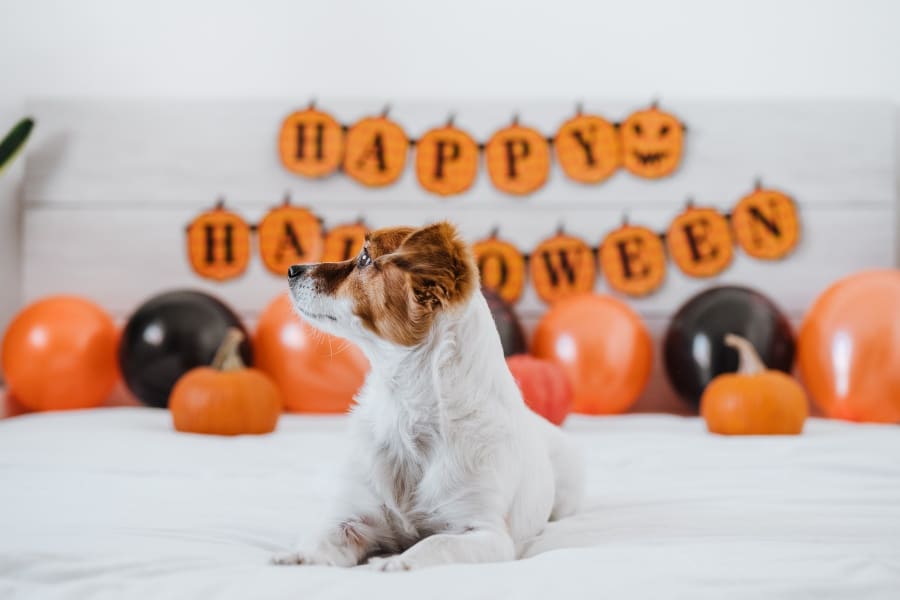
Halloween can make even a small apartment feel festive with glowing pumpkins, hanging decorations, colorful lights, and seasonal displays. For pet owners, however, decorating a compact living space requires extra care. Dogs and cats can easily reach objects placed on low shelves, investigate dangling cords, or knock over decorations while exploring their surroundings.
If you are searching for a veterinarian near me in Brooklyn, understanding common household risks can help you make informed decisions about your pet’s safety. Small apartments often have limited floor space, closely arranged furniture, and fewer places to separate pets from decorations, making it especially important to plan your Halloween setup carefully.
From electrical cords and open flames to artificial cobwebs and tiny decorative pieces, Halloween pet hazards can appear in unexpected places. With a few practical adjustments, you can enjoy seasonal decorations while creating a safer environment for your furry companion.
Why Halloween Decorations Need Extra Care in Small Apartments
In a compact apartment, everyday household items and seasonal decorations often share the same limited space. A decorative light may run beside a pet’s favorite resting area, while a pumpkin display may occupy a low table that a curious cat can easily reach.
Pets naturally explore their surroundings by sniffing, pawing, chewing, and sometimes tasting unfamiliar objects. Dogs may investigate decorations with their mouths, while cats may bat at dangling strings or climb onto shelves to inspect new items.
Crowded rooms can also make it harder for pets to move around safely. Decorations placed near doorways, litter boxes, food bowls, or familiar walking paths may cause pets to bump into objects or become tangled in loose materials.
Before decorating, look at the room from your pet’s perspective. Identify reachable surfaces, exposed wires, unstable objects, and narrow spaces where your pet could become trapped. Planning around your animal’s usual habits can help prevent avoidable accidents.
Electrical Cords and String Lights
Halloween string lights can brighten an apartment, but exposed electrical cords may attract pets that enjoy chewing or playing with moving objects.
Keep Wires Out of Reach
Dogs and cats may chew electrical cords, potentially causing mouth injuries, burns, or electric shock. A damaged wire can also create a fire risk.
Place cords behind heavy furniture when possible, and use suitable cord covers to reduce access. Keep extra lengths of wire neatly secured rather than leaving loops on the floor. Avoid running cords across walkways where pets or people may trip.
Do not assume that a cord is safe simply because it is connected to battery-operated lights. Loose strings, battery compartments, and small decorative components can still present chewing or swallowing hazards.
Choose Lights Carefully
Inspect decorative lights before using them. Avoid products with damaged insulation, loose connections, or exposed wiring. Follow the manufacturer’s instructions and disconnect electrical decorations when they are not in use.
Keep plugs and power strips away from water bowls, spills, and litter areas. Never overload electrical outlets or hide damaged cords beneath rugs where problems may go unnoticed.
If your pet bites a plugged-in cord, avoid touching the animal or damaged wire while electricity may still be active. Disconnect the power safely if possible and seek immediate veterinary attention if your pet may have suffered an electric shock.
Candles and Open Flames
Candles can create a warm Halloween atmosphere, but open flames are difficult to manage around active pets. A wagging tail, curious paw, or sudden jump can knock over a candle or bring fur into contact with the flame.
In a small apartment, the risk may be greater when candles are placed near curtains, furniture, shelves, or narrow walkways. Cats may jump onto elevated surfaces without warning, while dogs may accidentally bump into low tables.
Consider using battery-operated candles or flameless lights instead. These provide a similar decorative effect without an exposed flame.
If you choose to use real candles, keep them in stable holders on surfaces that pets cannot access, and never leave them burning unattended. Extinguish candles before leaving the room or going to sleep.
Remember that melted wax can also cause burns if touched while hot. Keep pets away from candle holders until they have cooled completely.
Small Decorations, Artificial Cobwebs, and Hanging Objects
Halloween decorations often include lightweight materials that move easily when touched. Although they may look harmless, some can create choking, entanglement, or intestinal blockage risks.
Artificial Cobwebs and String
Artificial cobwebs, ribbons, yarn, and decorative strings may attract cats that enjoy batting at dangling objects. Dogs may also chew these materials.
If swallowed, string-like materials can become lodged in the digestive tract and cause serious injury. Avoid placing loose strands where pets can reach them, and choose decorations without long hanging pieces.
If string is visible from your pet’s mouth or rear, do not pull it. Contact a veterinarian for instructions because pulling can damage internal tissues.
Small Plastic Decorations
Miniature pumpkins, plastic spiders, decorative eyeballs, and other small accessories can be swallowed by curious pets. Depending on their size and shape, these objects may cause choking or blockages.
Choose larger, sturdy decorations that cannot easily break into small pieces. Secure items on shelves and avoid placing small objects on the floor, near food bowls, or beside pet beds.
Hanging and Breakable Decorations
Garlands, dangling ornaments, and lightweight hanging decorations may encourage jumping or pawing. Pets can become tangled or knock objects onto themselves.
Use secure fasteners and keep decorations away from climbing routes. Avoid glass ornaments and sharp-edged materials in areas your pet regularly visits.
Watch Out for Batteries and Electronic Decorations
Light-up pumpkins, animated decorations, and electronic Halloween toys may contain button batteries or other small power sources. If a pet chews open the casing, it may swallow a battery or exposed components.
Button batteries can cause severe tissue damage if swallowed. Keep battery compartments secured and inspect electronic decorations for cracks or loose covers.
Never leave batteries lying on a table or floor during decorating. Store spare batteries in closed containers, away from pets.
If you suspect your pet has swallowed a battery, contact a veterinarian immediately. Do not wait for symptoms or attempt home treatment without professional guidance.
Create a Pet-Safe Halloween Setup
You do not need to give up Halloween decorations to protect your pet. A few adjustments can help make a compact apartment more comfortable and secure.
Keep familiar pathways clear. Avoid placing decorations in narrow hallways, beside doorways, or near your pet’s food, water, and litter areas.
Create a quiet retreat. Set aside a familiar room or corner with bedding, water, and favorite toys. This gives your pet a place to relax away from decorations and visitors.
Secure trash and packaging. Store tape, plastic wrapping, packaging ties, and broken decoration pieces in a closed bin. These materials may become tempting chew toys.
Supervise exploration. When you introduce new decorations, observe how your pet responds. Remove anything that triggers persistent chewing, climbing, scratching, or attempts to swallow pieces.
Consider your pet’s personality. A playful kitten may need different precautions from an older dog that rarely explores furniture. Adjust your decorating choices to match your animal’s habits and mobility.
Inspect the apartment each evening. Check for loose cords, fallen decorations, exposed batteries, and damaged items. A quick inspection can identify hazards before your pet encounters them.
Recognizing When Your Pet Needs Veterinary Attention
Despite careful preparation, pets may sometimes chew a cord, swallow a decoration, or come into contact with a flame.
Watch for signs such as coughing, excessive drooling, vomiting, pawing at the mouth, difficulty swallowing, unusual weakness, or changes in behavior. Electrical injuries may cause burns or breathing problems, and some complications may not be immediately obvious.
If you suspect that your pet has swallowed a foreign object, chewed an electrical cord, or been burned, contact a veterinarian promptly for advice. Breathing difficulty, collapse, seizures, or severe burns require immediate veterinary attention.
Do not induce vomiting or give human medications unless a veterinary professional specifically instructs you to do so. If possible, keep the packaging or take a photograph of the decoration involved so the veterinary team can identify the material.
Keep Halloween Fun and Safe With Northside Veterinary Clinic
A festive apartment can still be a pet-friendly home. By securing electrical cords, avoiding open flames, choosing sturdy decorations, and keeping small objects out of reach, Brooklyn pet owners can reduce common Halloween risks.
If you have questions about your pet’s safety or notice unusual behavior after possible contact with a decoration, contact Northside Veterinary Clinic for guidance. If you are looking for a veterinarian near me in Brooklyn, the clinic can be a local resource for advice about your pet’s health and care needs.
Visit the Northside Veterinary Clinic website or contact the team to ask about available appointments and scheduling. With a little preparation and regular supervision, you can enjoy Halloween decorations while keeping your pet’s comfort and safety at the center of the celebration.
Frequently Asked Questions
Q1. Are Halloween string lights dangerous for cats and dogs?
Ans: They can be. Pets that chew electrical cords may suffer mouth injuries, burns, or electric shock. Secure wires, inspect decorations before use, and keep cords out of reach.
Q2. Are battery-operated candles safer for pets than real candles?
Ans: Battery-operated candles remove the risk of an exposed flame, making them a useful alternative. However, keep batteries and small electronic components secured so pets cannot chew or swallow them.
Q3. What should I do if my cat swallows artificial cobwebs or string?
Ans: Contact a veterinarian promptly. Do not pull string that is visible from your cat’s mouth or rear, and do not attempt to induce vomiting unless a veterinary professional directs you to do so.
Q4. How can I decorate a small apartment safely when I have pets?
Ans: Keep decorations away from common pathways, secure cords, avoid open flames, and place small objects beyond your pet’s reach. Provide a quiet retreat and supervise your pet around unfamiliar decorations.
Q5. When should I contact a veterinarian after my pet chews a decoration?
Ans: Contact a veterinarian if your pet may have swallowed a decoration, battery, or piece of wire, or has signs of injury. Breathing difficulty, collapse, seizures, or severe burns require immediate veterinary attention.
Related Articles
Find a Puppy & Kitten Vet Near Brooklyn, New York
Finding a full service vet clinic in Brooklyn for your new furry friend is easy with our online direct booking feature. Both new and existing clients seeking care from a veterinarian may schedule an appointment at Northside Veterinary Clinic.