


Living with a companion animal means becoming attuned to their daily rhythms, quirks, and energetic greetings. Because our animals cannot speak, pet parents often assume that a dog or cat in pain will vocalize, whimper, or cry out. However, physical suffering in pets rarely looks so obvious. In reality, instinct drives domestic animals to conceal physical distress until an underlying issue becomes difficult to manage. Recognizing the subtle biological and behavioral cues that mask physical discomfort ensures you know when to seek professional urgent pet care, preventing minor health issues from escalating into complex medical problems.
The Evolutionary Instinct to Conceal Physical Weakness
To understand why a dog with a painful joint or a cat with abdominal distress acts like nothing is wrong, we must look at their evolutionary history. Wild ancestors of domestic dogs and cats lived in environments where showing weakness carried severe consequences. In natural habitats, an animal demonstrating physical impairment immediately became a target for predators or lost its standing within a pack structure.
Even after centuries of domestication, these deeply ingrained survival instincts remain fully operational:
- Self-Preservation Behavior: Hiding discomfort prevents an animal from appearing vulnerable to perceived external threats.
- Stoic Temperaments: Many breeds possess high natural pain tolerances, continuing to run, fetch, or greet owners despite internal inflammation or soft tissue damage.
- Feline Secrecy: Cats are both predators and prey. Their natural response to illness or discomfort is to retreat to dark, enclosed spaces where they feel safe from potential threats.
Because your pet’s natural instinct works against showing pain, relying solely on vocal cues like whining or crying leads to delayed medical intervention.
Subtle Behavioral Shifts That Reveal Hidden Pain
While your companion may actively suppress obvious pain signals, physical discomfort invariably leaks out through subtle changes in daily habits, posture, and mood. Observing these nuanced shifts allows owners to catch internal distress early.
Changes in Daily Movement and Posture
- Altered Stance: A pet experiencing spinal, abdominal, or joint pain may stand with a hunched back or tuck their abdomen tightly inward.
- Reluctance to Navigate Stairs or Jump: Cats that suddenly stop perching on high furniture, or dogs that hesitate before climbing stairs, are often managing silent joint, hip, or back discomfort.
- Weight Shifting: Standing with more weight distributed over front limbs to relieve sore back hips, or continuously shifting paws while resting, signals localized physical stress.
Alterations in Social Interaction and Attitude
- Uncharacteristic Withdrawal: Seeking out quiet closets, hiding under beds, or avoiding family interaction is a classic indicator that a pet feels physically compromised.
- Irritability or Touch Sensitivity: A normally gentle pet that growls, hisses, flinches, or turns sharply when touched in a specific area is reacting directly to localized pain.
- Loss of Interest in Enrichment: Skipping favorite interactive games, showing indifference toward toys, or walking slowly during routine outings reveals that physical discomfort is overriding their normal enthusiasm.
Physiological and Sleeping Indicators
- Heavy Panting or Rapid Breathing: Shallow, rapid breathing or heavy panting without prior physical exercise or warm weather often indicates elevated stress caused by physical pain.
- Restlessness: Inability to settle down, continuous pacing, or shifting sleeping positions repeatedly suggests your pet cannot find a comfortable posture.
- Expression Changes: A tight, squinted eye expression, wide fixed pupils, or a furrowed brow often signals ongoing discomfort.
How Medical Teams Evaluate Pain During Urgent Vet Care Visits
Uncovering hidden physical discomfort requires a methodical, professional approach. During an urgent vet care examination, veterinary professionals combine hands-on diagnostic techniques with objective physiological evaluations to pinpoint exactly where pain originates.
Clinicians assess discomfort through multiple evaluation layers:
- Gait and Mobility Evaluation: Watching how a pet moves across an exam room highlights subtle lameness, uneven weight distribution, or stiffness that disappears when the animal is stationary.
- Systemic Palpation: Systematic, gentle pressure applied along the spine, joints, and abdominal area isolates localized pain responses, swelling, or internal tension.
- Vital Sign Tracking: Elevated heart rates, increased blood pressure, and subtle temperature spikes often correlate directly with hidden physical stress.
- Diagnostic Imaging: Digital X-rays and targeted ultrasound scans reveal soft tissue swelling, joint inflammation, hairline bone fractures, or internal organ distension that physical touch alone cannot fully assess.
Families residing in Brooklyn benefit greatly from understanding these diagnostic strategies. Relying on professional clinical evaluation eliminates the guesswork, ensuring hidden pain is identified and treated appropriately.
The Danger of Delaying Evaluation
Allowing a pet to tough it out at home often turns a manageable condition into a complex medical situation. Untreated pain causes physical stress, raising cortisol levels that impair immune function, slow down tissue healing, and disrupt digestion.
Early intervention stops the progression of underlying tissue damage, restores appetite, and ensures your pet receives safe, veterinary-supervised pain relief.
Dedicated Local Care in Brooklyn
If you are from Brooklyn and looking for urgent pet care, having a compassionate, highly trained clinical team ready to evaluate subtle signs of distress brings invaluable peace of mind. Taking prompt action at the first sign of behavioral change keeps your pet comfortable, protected, and on the path to lasting health.
Schedule an Online Appointment
If you suspect your pet is hiding an injury, dealing with joint discomfort, or exhibiting unexplained shifts in behavior, don’t wait for symptoms to worsen.
Please schedule an appointment online to have your companion thoroughly evaluated by our clinical team.
Reach Our Clinical Team Directly
Prefer to speak with an experienced staff member about the subtle behavioral changes you are noticing at home? We are available to answer your questions and help determine whether an immediate office visit is recommended.
Call our team at 718-387-0541 to discuss your pet’s health with Northside Veterinary Clinic.
Frequently Asked Questions
Q1. Why doesn’t my dog cry out or whimper when they are in pain?
Ans: Dogs instinctively suppress vocal pain signals to avoid showing vulnerability. Instead of whimpering, they show discomfort through subtle behavioral shifts like restlessness, panting, appetite changes, or reluctance to move.
Q2. Is it safe to give my pet human pain relievers at home?
Ans: No, you should never give human pain medications to pets. Over-the-counter drugs like acetaminophen, ibuprofen, and aspirin are toxic to dogs and cats, causing severe liver failure, kidney damage, or stomach ulcers.
Q3. How can I tell if my cat is experiencing severe discomfort?
Ans: Cats hide pain exceptionally well. Look for subtle cues such as hiding in dark spaces, neglecting grooming habits, squinching their eyes, avoiding jumping, or showing uncharacteristic aggression when touched.
Q4. Can stress or anxiety cause a pet to display pain symptoms?
Ans: Yes, emotional stress can manifest as physical tension, restlessness, or digestive upset. A professional veterinary examination helps distinguish between pure anxiety and underlying physical pain.
Q5. How quickly can a clinical team relieve my pet’s pain during a visit?
Ans: Veterinary teams prioritize fast-acting pain relief. Once a preliminary physical evaluation confirms the cause, fast-acting injectable or topical medications can be administered immediately to make your pet comfortable.
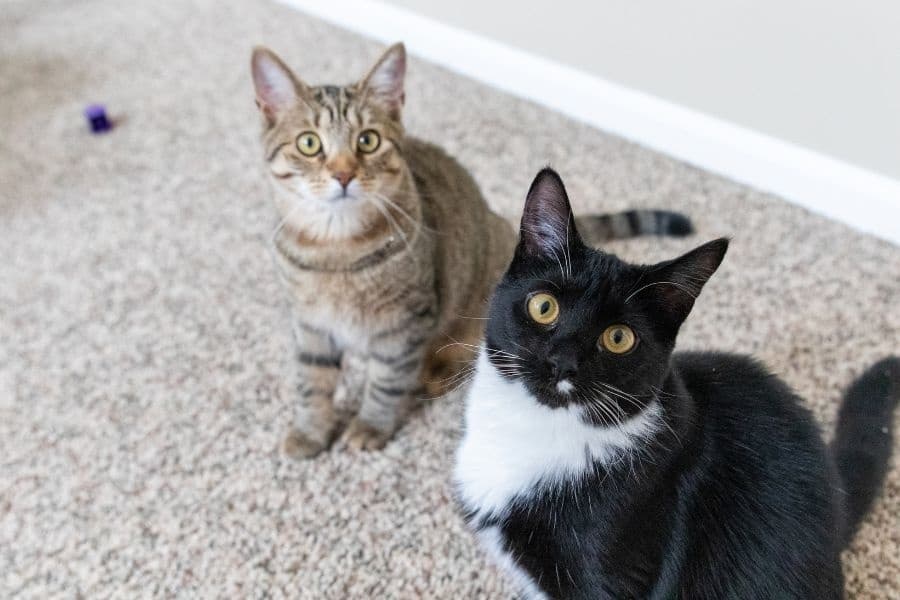


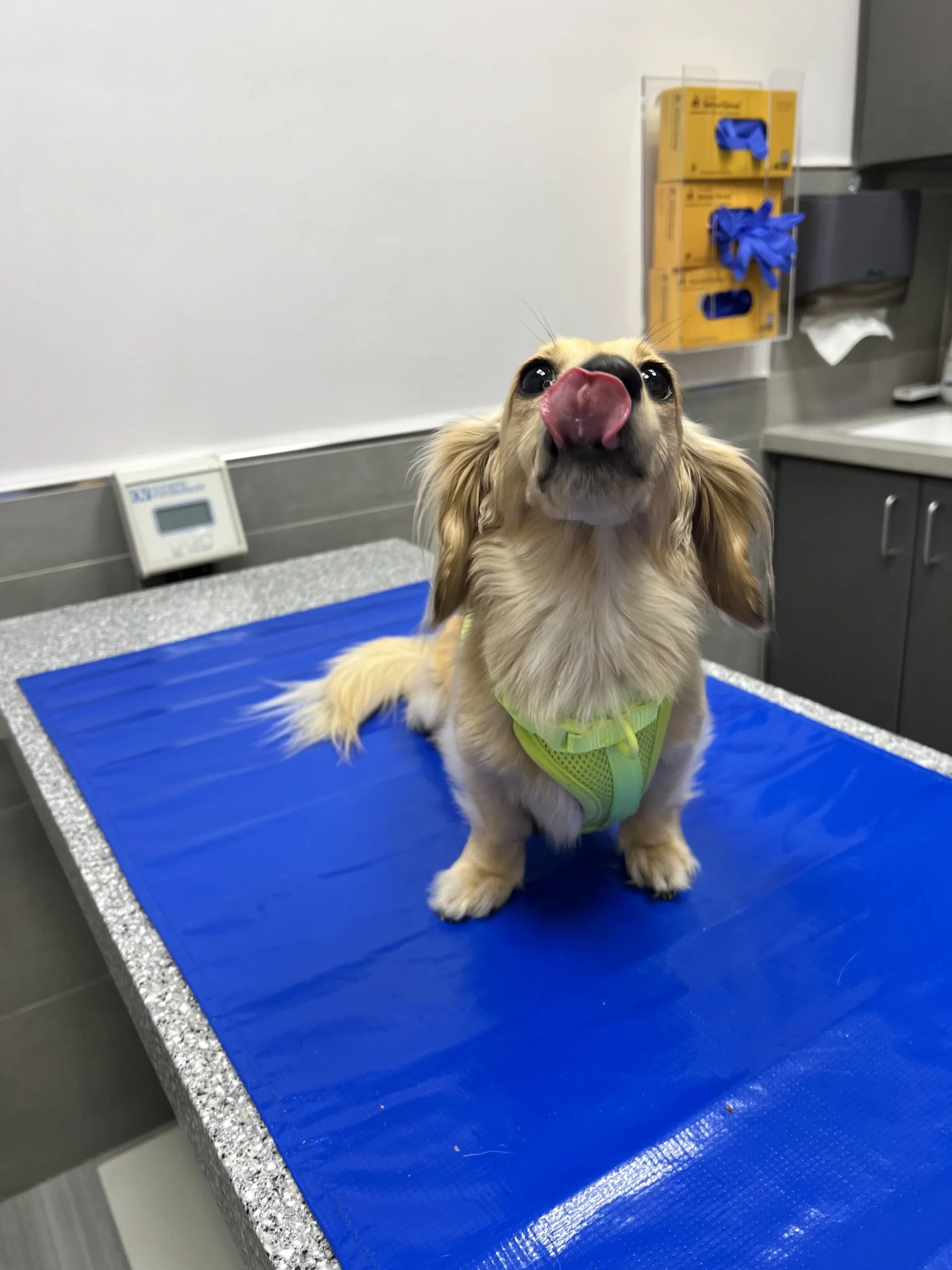
Find a Puppy & Kitten Vet Near Brooklyn, New York
Finding a full service vet clinic in Brooklyn for your new furry friend is easy with our online direct booking feature. Both new and existing clients seeking care from a veterinarian may schedule an appointment at Northside Veterinary Clinic.