
Pets are naturally curious and often investigate unfamiliar objects by sniffing, licking, or chewing them. While this behavior is part of their normal exploration, it can quickly become dangerous when they ingest toxic foods, medications, household chemicals, or poisonous plants. In many situations, prompt action can significantly improve your pet’s chances of recovery. Seeking urgent vet care as soon as toxic ingestion is suspected allows veterinary professionals to evaluate the situation before more serious complications develop.
For pet owners in Brooklyn, understanding the signs of poisoning and knowing what to do immediately can make all the difference. This guide explains why urgent pet care is so important after toxic ingestion, common household hazards to watch for, and practical steps you can take to protect your pet.
Common Causes of Toxic Ingestion
Many everyday products found around the home can be harmful to dogs and cats. Some toxins affect the digestive system, while others may damage the nervous system, kidneys, liver, or heart.
Common sources of toxic ingestion include:
- Chocolate
- Grapes and raisins
- Foods containing xylitol
- Onions and garlic
- Human medications
- Household cleaning products
- Antifreeze
- Rodenticides
- Insecticides
- Fertilizers
- Toxic indoor and outdoor plants
- Essential oils
Even a small amount of certain substances can lead to significant health concerns, especially in smaller pets.
Why Time Is So Important
Once a toxic substance enters your pet’s body, it may begin affecting organs within a short period of time. Some toxins produce symptoms quickly, while others silently damage internal organs before visible signs appear.
Seeking urgent vet care promptly allows your veterinarian to evaluate your pet, determine the type of toxin involved, and begin appropriate treatment as early as possible. Delaying care may limit treatment options and increase the risk of complications.
Warning Signs of Toxic Ingestion
Not every pet will show symptoms immediately, but several warning signs should never be ignored.
Watch for:
- Vomiting
- Diarrhea
- Excessive drooling
- Tremors
- Weakness
- Loss of appetite
- Difficulty walking
- Difficulty breathing
- Pale gums
- Seizures
- Collapse
- Unusual behavior or confusion
If you know or suspect your pet has ingested something harmful, do not wait for symptoms to develop before contacting your veterinarian.
What You Should Do Immediately
Remaining calm helps you respond more effectively during a stressful situation.
If your pet has swallowed something toxic:
- Remove your pet from the source of exposure.
- Identify the substance if possible.
- Save the product packaging or label.
- Estimate how much may have been consumed.
- Record the approximate time of ingestion.
- Contact your veterinary clinic immediately.
Avoid giving food, milk, or home remedies unless specifically instructed by a veterinary professional.
Household Hazards You May Overlook
Some of the most dangerous toxins are items many families use every day.
Frequently overlooked hazards include:
- Laundry detergent pods
- Batteries
- Paints and solvents
- Nicotine products
- Compost piles
- Moldy food
- Automotive fluids
- Air fresheners
- Certain cosmetics
- Cleaning wipes
Keeping these products securely stored greatly reduces the likelihood of accidental poisoning.
How Veterinarians Evaluate Toxic Ingestion
Every poisoning case is different, so treatment depends on the type of toxin, the amount consumed, and your pet’s overall condition.
Your veterinarian may recommend:
- A complete physical examination
- Blood tests
- Urinalysis
- Diagnostic imaging if needed
- Monitoring of vital signs
- Supportive therapies based on your pet’s symptoms
Providing accurate information about the suspected toxin helps your veterinary team develop the most appropriate treatment plan.
Preventing Toxic Exposure
While accidents cannot always be prevented, many cases of toxic ingestion can be avoided with simple precautions.
Helpful prevention strategies include:
- Store medications in secure cabinets.
- Keep household cleaners out of reach.
- Dispose of food scraps properly.
- Learn which plants are toxic to pets.
- Keep trash containers tightly covered.
- Store automotive products safely.
- Supervise pets during outdoor activities.
Creating a pet-safe home environment significantly lowers the risk of accidental poisoning.
Why Early Veterinary Care Supports Better Outcomes
Some toxins begin affecting internal organs before any outward symptoms become noticeable. Waiting to see whether your pet improves on their own can delay important treatment and increase the likelihood of complications.
If your pet has ingested a potentially harmful substance, seeking urgent vet care allows veterinary professionals to assess the situation quickly and begin appropriate care. For families in Brooklyn, prompt urgent pet care provides valuable peace of mind while giving pets the medical attention they need as early as possible.
Northside Veterinary Clinic is committed to providing compassionate veterinary care for pets experiencing toxic ingestion, unexpected illnesses, and other urgent medical concerns.
Schedule an Online Appointment
If you believe your pet has ingested a harmful substance or is showing unusual symptoms, schedule an online appointment for a prompt veterinary evaluation. Early assessment helps identify the problem and allows treatment to begin as soon as possible.
Call Our Team Today
If you’re concerned your pet has swallowed something toxic, call our team at 718-387-0541. We’ll answer your questions, discuss your pet’s symptoms, and help you determine the next steps for your pet’s care.
Frequently Asked Questions
Q1. What should I do if I think my pet has eaten something toxic?
Ans: Remove your pet from the source of exposure, identify the substance if possible, save the packaging, and contact your veterinarian immediately for guidance.
Q2. What symptoms indicate my pet needs urgent vet care after toxic ingestion?
Ans: Vomiting, diarrhea, tremors, weakness, seizures, difficulty breathing, collapse, excessive drooling, or unusual behavior all require prompt veterinary evaluation.
Q3. Can my pet appear normal after swallowing a toxic substance?
Ans: Yes. Some toxins take time before symptoms develop, so veterinary evaluation is recommended even if your pet initially appears healthy.
Q4. Should I induce vomiting at home?
Ans: No. Inducing vomiting is not safe for every toxin and may cause additional harm. Always follow your veterinarian’s recommendations.
Q5. How can I help prevent toxic ingestion?
Ans: Store medications, chemicals, and harmful foods securely, supervise your pet, remove toxic plants, and regularly inspect your home for potential hazards.

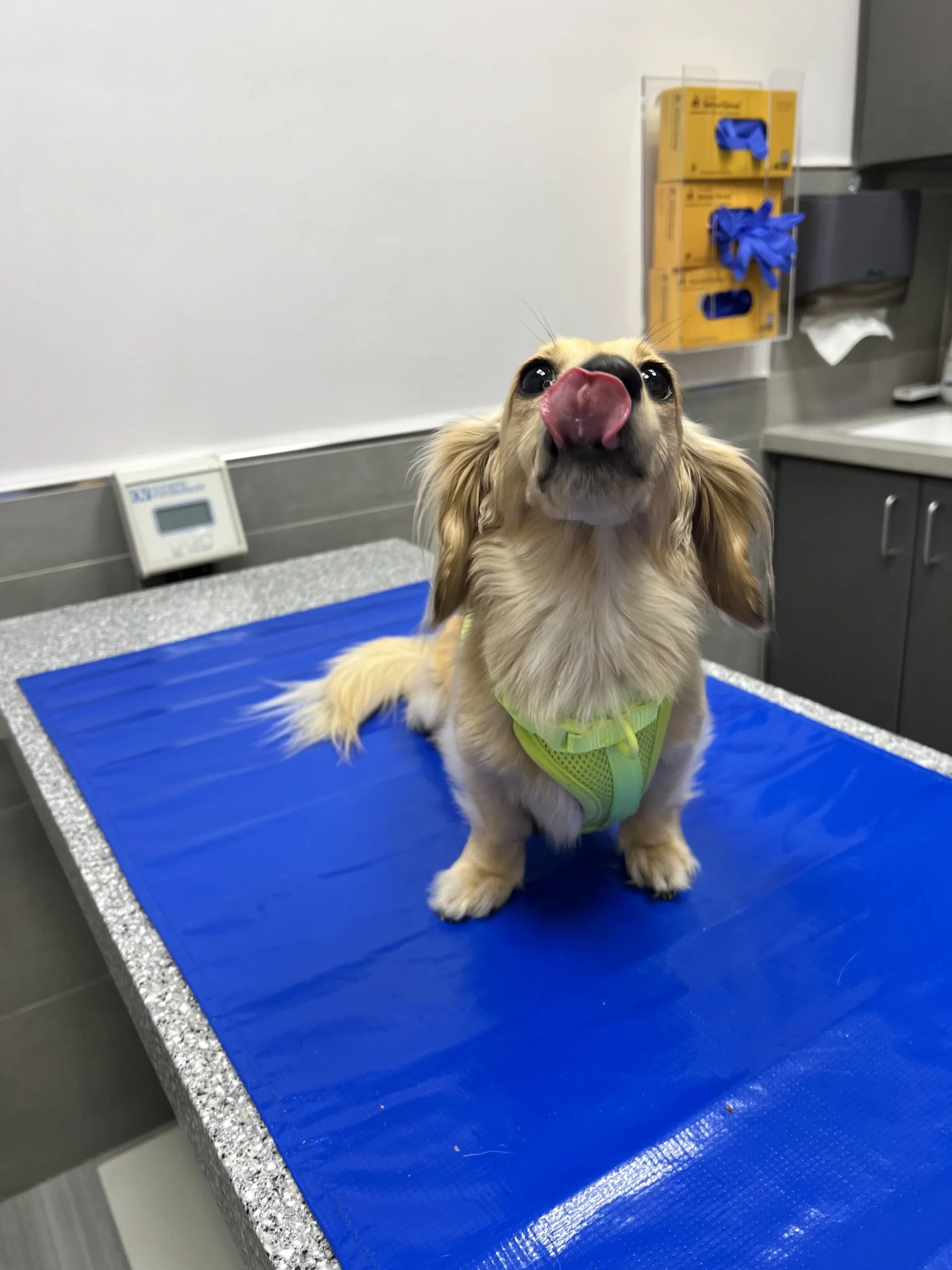
Find a Puppy & Kitten Vet Near Brooklyn, New York
Finding a full service vet clinic in Brooklyn for your new furry friend is easy with our online direct booking feature. Both new and existing clients seeking care from a veterinarian may schedule an appointment at Northside Veterinary Clinic.