

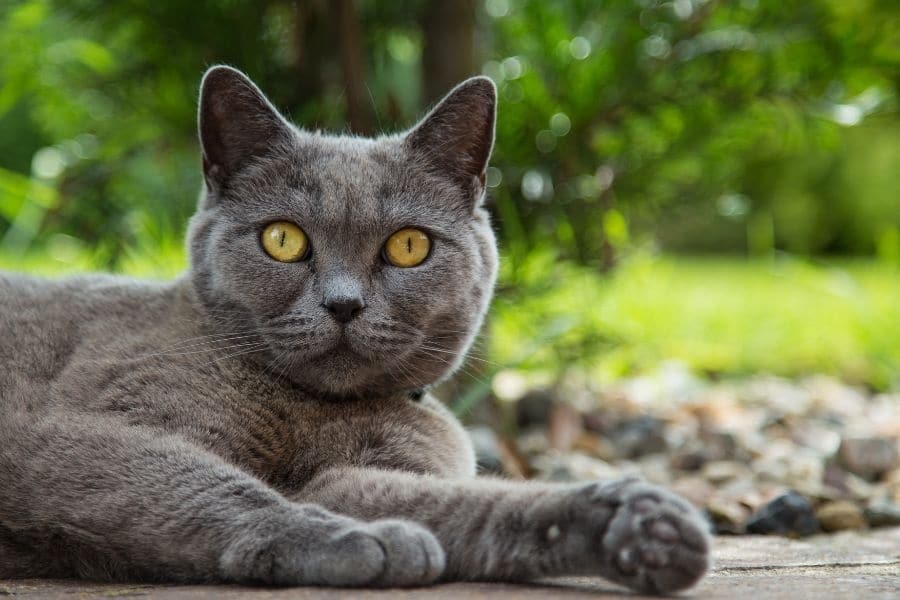
A steady number on the scale can feel reassuring, but it doesn’t always mean your older pet is staying strong. Muscle is one of the most overlooked parts of senior pet care, and it plays a big role in aging dogs and cats health. For pet owners in Brooklyn, learning to look beyond weight can help you protect your pet’s mobility and independence.
Why the Scale Can Hide Muscle Loss
Body weight is a mix of muscle, fat, bone, and water. The scale adds them together but can’t tell you how much of each your pet has. That means an older pet can lose muscle and gain fat in equal amounts, and the number never changes.
Muscle loss is common with age. Older bodies are less efficient at building and repairing muscle, and many pets move less because of stiff joints or low energy. Less movement leads to more muscle loss, and the cycle feeds itself.
Illness can cause a different kind of problem. Pets with kidney disease, thyroid disease, or cancer may lose weight quickly, and much of it can be muscle. Cats are especially good at hiding this, since thick fur can mask thinning hips and a bony spine.
This is why a pet who looks “just fine” on paper may still be getting weaker. Veterinarians pay attention to what the weight is made of, not only what it adds up to. A pet at an ideal weight with poor muscle is not the same as a pet at an ideal weight with strong muscle.
What Muscle Means for Aging Dogs and Cats Health
Muscle does far more than give your pet a athletic look. It supports the joints, cushions movement, and helps your pet stand, climb, jump, and balance. For a pet with arthritis, strong muscles take pressure off sore joints and can make every step easier.
Muscle also acts as a protein reserve. During illness, injury, or recovery from surgery, the body draws on that reserve to heal. Pets with more muscle often cope better with stress on the body than pets with very little. Maintaining muscle is also linked to a stronger immune system and better overall resilience.
Safety and confidence matter too. Weak back legs can mean slipping on hard floors, trouble with stairs, and difficulty getting up. A dog who struggles to rise may stop going on walks, and a cat who can’t jump may give up her favorite window perch. Over time, lost strength can mean lost independence and a smaller, less happy daily life.
The goal isn’t to build a bodybuilder. It’s to keep your pet able to do the ordinary things that make life enjoyable.
How Veterinarians Check Muscle and Body Condition
A good senior exam looks at the whole body. Your veterinarian will run their hands along your pet’s spine, shoulders, hips, and thighs to feel how much muscle covers the bones. They will also watch how your pet walks, turns, and rises from lying down, since small changes in movement can reveal weakness or pain.
Veterinarians often use two scoring systems: a body condition score, which estimates body fat, and a muscle condition score, which estimates muscle. Using both gives a far clearer picture than weight alone. If you’ve been searching for a veterinarian in Brooklyn who takes this kind of hands-on approach, ask whether muscle scoring is part of the senior exam.
Testing may follow. Bloodwork and a urinalysis can screen for kidney disease, hormone problems, and diabetes. X-rays can show arthritis or other joint changes. Blood pressure checks and heart evaluations may also be recommended, depending on your pet’s age and signs.
Your observations at home are just as valuable. A side photo each month and a short video of your pet walking can reveal slow changes that are easy to miss day to day. Most veterinarians recommend senior wellness exams about every six months, so changes can be found early.
Senior Pet Care Steps to Protect Muscle
Once your veterinarian understands what’s behind any muscle loss, they can build a plan around your pet. Most plans combine several steps.
- Nutrition: Many older pets benefit from high-quality, easily digested protein, but the right amount depends on health conditions. Always check with your veterinarian before changing your pet’s diet.
- Pain control: Treating arthritis and other discomfort helps your pet move more, which helps rebuild strength.
- Gentle exercise: Short, regular walks, gentle slopes, and slow sit-to-stand practice suit many dogs. Cats may enjoy wand toys, low steps, and puzzle feeders that encourage movement.
- Healthy weight: Extra body fat strains the joints, so keeping your pet lean helps muscles work more easily.
- Home adjustments: Non-slip rugs, ramps, and orthopedic beds make it safer and easier to stay active.
Some pets also benefit from rehabilitation therapy, and some supplements may help, though quality varies widely. Talk with your veterinarian first so anything you add is safe alongside your pet’s medications.
Consistency beats intensity. A few minutes of gentle activity every day does more than one long outing that leaves your pet sore. Good senior pet care is about building habits your pet can maintain, with regular rechecks to see what’s working.
Conclusion: Protect Strength as Well as Weight
A normal weight doesn’t always mean a strong body. For aging dogs and cats health, muscle supports movement, balance, and recovery, and protecting it can help your pet stay active and comfortable for longer. Watching for small changes, tracking your pet at home, and keeping up with exams are simple habits that make senior pet care more effective.
If you’ve noticed changes in your older companion, the team at Northside Veterinary Clinic in Brooklyn is ready to help. We can assess your pet’s muscle and body condition, look for underlying causes, and create a plan to keep your pet strong and comfortable. Trust your instincts and bring your questions along.
At Northside Veterinary Clinic in Brooklyn, we are committed to helping senior pets stay strong, steady, and comfortable. Schedule your pet’s visit today and give your pet the care they deserve.
Frequently Asked Questions
Q1. Can older pets regain muscle they’ve lost?
Ans: Often, at least in part. Once your veterinarian treats the underlying cause and adds proper nutrition and suitable exercise, many pets regain some strength. Results depend on your pet’s age and overall health.
Q2. How can I check for muscle loss at home?
Ans: Gently feel along your pet’s spine, hips, and shoulders. If the bones feel more prominent than before, or the back legs look thinner, muscle may be fading. Monthly photos make slow changes much easier to notice.
Q3. Do cats lose muscle the same way dogs do?
Ans: Yes, but it’s harder to notice in cats because of their fur and their tendency to hide discomfort. Hands-on exams are especially helpful for cats, since they can catch changes the eye misses.
Q4. How often should my older pet have a senior exam in Brooklyn?
Ans: Most senior pets benefit from a wellness exam about every six months. Pets with chronic conditions or noticeable changes may need more frequent visits, and your veterinarian can recommend the right schedule.
Q5. Is a high-protein diet right for every senior pet?
Ans: Not always. Many healthy older pets do well with good-quality protein, but pets with kidney disease or other conditions may need a different approach. Ask your veterinarian before changing your pet’s food.

Find a Puppy & Kitten Vet Near Brooklyn, New York
Finding a full service vet clinic in Brooklyn for your new furry friend is easy with our online direct booking feature. Both new and existing clients seeking care from a veterinarian may schedule an appointment at Northside Veterinary Clinic.