

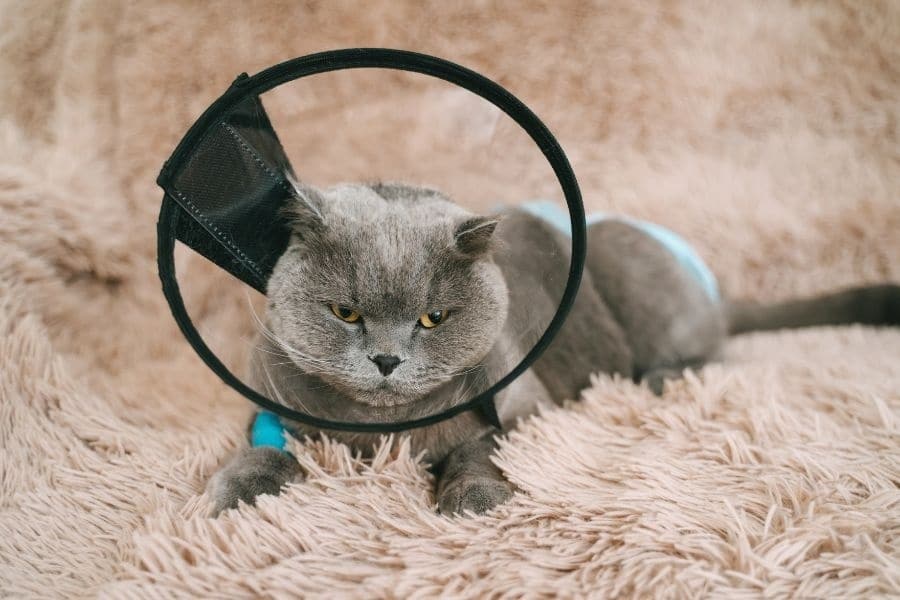
Bringing your cat home after an operation can be a relief, but the recovery period often comes with questions. Your cat may sleep more than usual, eat smaller meals, move cautiously, or spend extra time in a quiet corner. These changes can occur during healing, but knowing what is expected and what deserves attention helps you make informed decisions about your pet’s care.
For cat owners in Brooklyn, monitoring recovery after cat surgery involves looking at several factors, including appetite, behavior, mobility, incision appearance, and response to prescribed medication. Every cat heals at a different pace, depending on the procedure, age, and overall health. Northside Veterinary Clinic can help you understand your cat’s post-operative instructions and identify signs that may require veterinary assessment.
Look for Gradual Improvements in Energy and Alertness
After surgery, your cat may be sleepy or less active while recovering from anesthesia and the stress of the procedure. During the initial recovery period, your cat may prefer resting in a familiar, quiet area rather than exploring the house or interacting with family members.
As recovery progresses, you may notice your cat becoming more alert, responding to familiar sounds, grooming normally when permitted, and showing interest in their surroundings. These changes should follow the timeline discussed with your veterinarian.
Do not assume that a cat who suddenly becomes playful is ready to return to normal activity. Healing tissues may still be vulnerable to strain, even when your cat appears energetic. Continue restricting running, climbing, and jumping for the period recommended by your veterinary team.
Contact your veterinarian if your cat becomes increasingly weak, unusually difficult to wake, or less responsive instead of gradually improving.
Monitor Appetite and Water Intake
Appetite is an important part of recovery. Some cats eat less than usual during the first part of healing because of anesthesia, stress, nausea, discomfort, or medication effects. Your veterinarian may recommend a particular feeding schedule or diet based on the procedure performed.
Offer the recommended food in a calm setting and make sure your cat can reach the bowl without jumping or walking far. Keep fresh water accessible unless your veterinarian has given different instructions. Record how much your cat eats and drinks so you can notice meaningful changes.
A gradual return toward normal eating habits can be reassuring, but persistent food refusal should not be ignored. Cats that do not eat enough may develop additional health problems, particularly if they already have an underlying condition.
Contact your veterinarian if your cat refuses food beyond the timeframe specified in the discharge instructions. Repeated vomiting, difficulty drinking, or worsening weakness alongside appetite loss also warrants prompt advice. Do not force-feed your cat unless a veterinarian has specifically instructed you and explained how to do so safely.
Check the Surgical Incision Carefully
The incision provides useful information about healing. Depending on the procedure and closure method, the area may have mild bruising, slight swelling, or limited redness early in recovery. The incision edges should generally remain together, and the area should not develop progressively worsening changes.
Check the site as often as your veterinarian recommends. Look without pressing, rubbing, or pulling at the skin. If helpful, take a photograph in consistent lighting to compare the appearance from one day to the next.
Contact your veterinary team if you notice:
- Increasing redness or swelling around the incision.
- Discharge, pus, or an unpleasant odor.
- Bleeding that continues or returns.
- A gap or opening between the incision edges.
- Persistent licking, chewing, or scratching at the area.
Do not apply ointments, disinfectants, powders, or home remedies unless your veterinarian has approved them. Keep the incision dry and follow all cleaning instructions provided after veterinary surgery. Use a protective collar or recovery garment if recommended to prevent your cat from damaging the healing site.
Observe Mobility and Comfort
Your cat’s movement should improve according to the type of procedure performed. Some cats may initially walk more slowly, hesitate before changing positions, or prefer resting rather than moving around. However, the expected level of mobility varies considerably between procedures.
Watch how your cat stands, walks, enters the litter box, and settles down to rest. A cat recovering from an abdominal procedure may need different activity restrictions from one recovering after an orthopedic operation. Follow the specific instructions provided by your veterinarian instead of comparing your cat’s movement with another pet’s recovery.
Signs of discomfort can be subtle. Your cat may crouch with a tense posture, hide more than usual, resist being touched, growl when approached, or appear restless without settling comfortably.
Give prescribed pain medication exactly as directed. Never give human pain relievers or change a medication dose without veterinary approval. If your cat seems increasingly uncomfortable, contact the clinic to discuss whether the treatment plan needs reassessment.
Pay Attention to Litter Box Habits
Litter box activity can reveal changes in comfort, hydration, and normal body function. Your cat may take a little time to return to their usual routine after surgery, depending on food intake, medication, and the procedure itself.
Make the litter box easy to access. A low-sided box may help some cats with limited mobility, but ask your veterinarian whether a particular litter type or setup is appropriate for your cat’s incision and operation.
Monitor urination and bowel movements. Contact your veterinarian if your cat appears to strain, repeatedly visits the litter box without producing urine, cries while trying to urinate, or shows a marked change in bathroom habits. Repeated unsuccessful attempts to urinate require urgent veterinary assessment, especially in male cats.
If your cat has not passed stool as expected, ask the veterinary team when this should be evaluated. Do not give laxatives or other treatments without professional guidance.
Make Sure Behavior Improves Without Overexertion
Behavior often provides clues about how your cat is feeling. Some cats seek extra reassurance after surgery, while others prefer solitude. Temporary changes may reflect stress, tiredness, or discomfort.
Create a quiet recovery area away from household traffic and other pets that may encourage chasing or wrestling. Keep food, water, bedding, and the litter box within comfortable reach. Offer gentle companionship and let your cat rest without repeated handling.
Mental enrichment can help an active cat remain settled. Quiet interaction with a familiar toy may be suitable if your veterinarian permits it, but avoid activities that encourage jumping, sudden turns, or vigorous play.
A gradual return to familiar behaviors is encouraging, but a closed incision or increased appetite does not mean all activity restrictions can end. Attend follow-up appointments and wait for your veterinarian’s guidance before allowing your cat to resume normal routines.
Understand When Recovery May Not Be Progressing Normally
Recovery is not always a straight line. A cat may have a comfortable morning and appear quieter later, but worsening or persistent symptoms should not be dismissed as ordinary healing.
Contact your veterinarian promptly if your cat develops increasing pain, repeated vomiting, prolonged appetite loss, worsening swelling, discharge from the incision, or unusual weakness. Seek immediate veterinary attention for difficulty breathing, collapse, significant bleeding, an incision that opens, or a sudden major decline in responsiveness.
Keep a simple recovery record with medication times, food intake, water consumption, bathroom habits, and any changes in behavior or incision appearance. These details can help your veterinary team assess whether your cat is progressing as expected.
Support Your Cat’s Recovery With Northside Veterinary Clinic
Monitoring recovery after pet surgical services means looking for gradual improvement while following the care plan designed for your cat. Changes in alertness, appetite, mobility, incision appearance, and litter box habits can help you understand how healing is progressing.
If you are unsure whether your cat’s recovery is on track, contact Northside Veterinary Clinic in Brooklyn. Schedule an appointment or consultation to discuss your cat’s symptoms, medication instructions, incision care, and activity restrictions. The veterinary team can provide guidance based on your cat’s procedure and help you understand when a change requires further assessment.
Frequently Asked Questions
Q1. How can I tell if my cat is healing properly after surgery?
Ans: Gradual improvement in alertness, appetite, comfort, and normal behaviors can be reassuring. The incision should remain closed without worsening redness or swelling. Follow your veterinarian’s instructions and report concerning changes promptly.
Q2. Is it normal for my cat to sleep more after surgery?
Ans: Extra sleepiness may occur during early recovery as anesthesia wears off. Your cat should become more alert according to the discharge instructions. Contact your veterinarian if your cat becomes increasingly weak or unusually difficult to wake.
Q3. How often should I check my cat’s incision?
Ans: Check the incision as often as your veterinarian recommends, usually by visually inspecting it without touching or manipulating the area. Report increasing swelling, discharge, bleeding, an unpleasant odor, or separation of the incision edges.
Q4. What if my cat seems comfortable but is still not eating normally?
Ans: Appetite may take time to return, but persistent food refusal can become a health concern. Follow the feeding instructions and contact your veterinarian if your cat does not eat within the recommended timeframe or develops other symptoms.
Q5. When can my cat return to normal activity after surgery?
Ans: The timeline depends on the procedure and healing progress. Continue restricting jumping, running, and rough play until your veterinarian confirms that activity can safely increase.
Find a Puppy & Kitten Vet Near Brooklyn, New York
Finding a full service vet clinic in Brooklyn for your new furry friend is easy with our online direct booking feature. Both new and existing clients seeking care from a veterinarian may schedule an appointment at Northside Veterinary Clinic.