

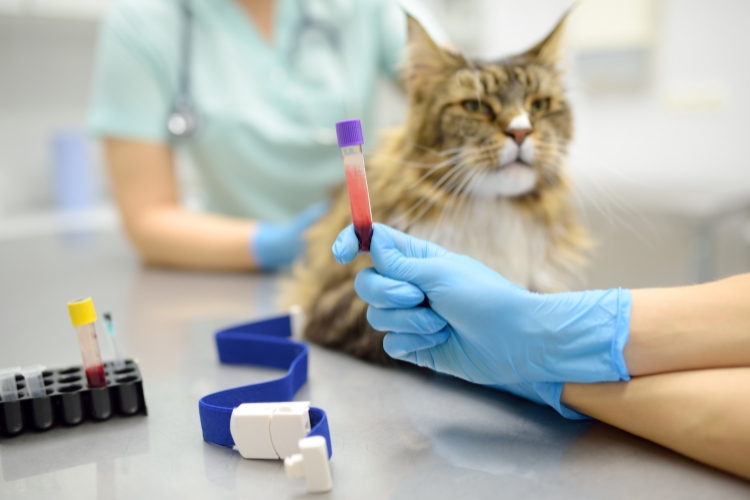
Pets cannot explain when they feel uncomfortable or sick. As a result, health problems may develop quietly before noticeable symptoms appear. Fortunately, modern veterinary medicine now offers advanced diagnostic tools that help veterinarians identify illnesses earlier and treat them more effectively. These technologies support better health outcomes and improve the quality of life for pets at every stage of life.
From bloodwork and digital imaging to ultrasound and laboratory testing, diagnostic services allow veterinarians to understand what is happening inside a pet’s body. Early detection often leads to faster treatment, reduced discomfort, and improved long-term wellness. In many cases, advanced testing can even help prevent serious complications before they become life-threatening.
For pet owners in Brooklyn, NY, understanding the value of modern veterinary diagnostics can help you make informed healthcare decisions for your companion animals. Whether your pet is young, aging, or managing a chronic condition, advanced testing plays a major role in supporting a healthier and happier life.
Why Diagnostic Testing Matters in Veterinary Medicine
Veterinary diagnostic testing helps identify illnesses, injuries, infections, and internal abnormalities that may not be visible during a physical examination. While routine wellness exams remain essential, they often work best when combined with diagnostic evaluations that provide a deeper understanding of a pet’s overall health.
For example, a pet may appear healthy on the outside while silently developing kidney disease, diabetes, liver problems, or heart conditions. Diagnostic testing helps uncover these hidden concerns early. As a result, veterinarians can begin treatment sooner and potentially slow the progression of disease.
In addition, testing helps veterinarians monitor ongoing medical conditions. Pets receiving treatment for chronic illnesses often require periodic evaluations to ensure medications are working correctly and that their organs remain healthy.
Most importantly, accurate diagnostics help veterinarians create personalized treatment plans based on factual medical information rather than guesswork.
Common Types of Advanced Diagnostic Testing for Pets
Modern veterinary clinics use several diagnostic tools to evaluate different aspects of a pet’s health. Each test serves a unique purpose and contributes valuable information.
Blood Testing
Bloodwork is one of the most common and important diagnostic tools in veterinary care. It helps veterinarians evaluate organ function, hydration levels, blood cell counts, and signs of infection or inflammation.
Routine blood testing may detect:
- Kidney disease
- Liver disease
- Diabetes
- Thyroid disorders
- Anemia
- Infections
- Immune system abnormalities
Blood tests are especially valuable for senior pets because aging animals are more likely to develop underlying medical conditions.
Urinalysis
Urinalysis provides important information about kidney function, urinary tract health, and hydration status. Veterinarians often combine urine testing with bloodwork for a more complete picture of a pet’s internal health.
This test may help detect:
- Urinary tract infections
- Kidney disease
- Bladder stones
- Diabetes
- Dehydration
Additionally, urinalysis helps monitor pets already receiving treatment for chronic illnesses.
Digital X-Rays
Digital radiography allows veterinarians to examine bones, joints, lungs, and abdominal organs quickly and efficiently. Unlike traditional film X-rays, digital images provide clearer detail and faster results.
Veterinarians commonly use X-rays to identify:
- Bone fractures
- Arthritis
- Foreign objects
- Dental disease
- Tumors
- Heart enlargement
- Lung conditions
Because digital imaging produces instant results, treatment decisions can often begin sooner.
Ultrasound Imaging
Ultrasound technology creates real-time images of soft tissues and internal organs. This non-invasive diagnostic tool helps veterinarians evaluate structures that may not appear clearly on X-rays.
Ultrasounds are commonly used to examine:
- The liver
- Kidneys
- Spleen
- Bladder
- Heart
- Pregnancy development
Furthermore, ultrasound imaging helps guide veterinarians during certain medical procedures, such as fluid collection or biopsies.
Fecal Testing
Intestinal parasites can affect pets of all ages. Unfortunately, many parasites are difficult to detect without laboratory testing.
Fecal exams help identify parasites such as:
- Roundworms
- Hookworms
- Whipworms
- Giardia
- Coccidia
Early parasite detection protects both pets and family members from potential health risks.
The Importance of Early Disease Detection
One of the greatest advantages of advanced diagnostics is early detection. Many diseases become easier to manage when identified during their earliest stages.
For instance, chronic kidney disease may begin with subtle internal changes long before a pet shows visible symptoms. Through routine testing, veterinarians can identify these changes and begin supportive treatment earlier.
Similarly, certain cancers may respond more successfully to treatment when diagnosed before they spread. Early diagnosis often expands available treatment options and improves survival rates.
In addition, early detection can reduce overall treatment costs. Managing a disease in its early stages is often less expensive and less invasive than treating advanced illness later.
Because of these benefits, regular wellness screenings are an essential part of responsible pet ownership.
How Diagnostics Support Preventive Veterinary Care
Preventive healthcare focuses on identifying and addressing health concerns before they become severe. Diagnostic testing plays a critical role in this proactive approach.
During annual or semi-annual wellness exams, veterinarians may recommend baseline testing even if a pet appears healthy. These tests establish normal values for your pet and make it easier to detect future changes.
Preventive diagnostic evaluations can help veterinarians:
- Track aging-related changes
- Monitor weight fluctuations
- Detect hidden infections
- Evaluate organ function
- Identify nutritional deficiencies
- Assess medication safety
As pets age, preventive testing becomes even more important because senior animals often develop chronic illnesses gradually.
At the same time, younger pets also benefit from diagnostic screening. Early testing can uncover congenital conditions or inherited diseases before complications occur.
Diagnostic Testing for Emergency Situations
Advanced testing is especially valuable during veterinary emergencies. When pets suddenly become ill or injured, rapid diagnostic evaluations help veterinarians make quick and accurate treatment decisions.
Emergency diagnostic services may help identify:
- Internal bleeding
- Poisoning
- Intestinal blockages
- Breathing difficulties
- Trauma-related injuries
- Severe infections
Fast diagnosis often improves the chances of successful treatment and recovery.
For example, if a pet swallows a foreign object, X-rays or ultrasound imaging can quickly locate the obstruction. Veterinarians can then determine whether surgery or other treatments are necessary.
Without diagnostic testing, emergency treatment would rely heavily on symptoms alone, which may delay proper care.
The Role of Technology in Modern Veterinary Diagnostics
Veterinary medicine continues to evolve as technology advances. Today’s veterinary clinics use sophisticated equipment that improves diagnostic accuracy and patient comfort.
Digital technology allows veterinarians to:
- Receive faster laboratory results
- Share images electronically with specialists
- Monitor conditions more precisely
- Reduce testing delays
- Improve treatment planning
Additionally, many advanced diagnostic tools are minimally invasive. This means pets often experience less stress and discomfort during evaluations.
Modern veterinary technology also supports better communication between veterinarians and pet owners. Clear diagnostic images and laboratory reports help owners better understand their pet’s condition and treatment options.
When Should Pets Receive Diagnostic Testing?
The timing and frequency of diagnostic testing depend on several factors, including age, breed, lifestyle, and medical history.
Veterinarians often recommend routine testing for:
- Senior pets
- Pets with chronic illnesses
- Pets taking long-term medications
- Animals showing unusual symptoms
- Pets preparing for surgery
- Newly adopted pets
Signs that may indicate the need for testing include:
- Loss of appetite
- Weight loss
- Increased thirst
- Vomiting
- Diarrhea
- Lethargy
- Breathing difficulties
- Changes in urination
- Limping
- Behavioral changes
Even subtle changes can signal underlying medical concerns. Therefore, it is always best to seek veterinary attention when symptoms persist.
How Pet Owners Benefit from Diagnostic Testing
Advanced testing not only benefits pets but also gives owners peace of mind. Accurate diagnostics help reduce uncertainty and support informed medical decisions.
When veterinarians can clearly identify the cause of a problem, pet owners often feel more confident about treatment recommendations. Additionally, diagnostic testing helps avoid unnecessary medications or procedures by providing targeted information.
Strong communication between pet owners and veterinarians creates better healthcare outcomes overall.
Moreover, regular screening allows owners to actively participate in maintaining their pet’s long-term wellness.
Supporting Lifelong Wellness Through Pet Diagnostic Care
Comprehensive pet diagnostic care helps veterinarians identify health concerns before they progress into more serious conditions. Through routine screening and advanced imaging, pets receive timely treatment that supports longer and healthier lives.
Whether evaluating chronic disease, investigating sudden symptoms, or monitoring recovery, pet diagnostic care provides valuable medical insight that improves overall healthcare quality. With modern veterinary technology, pets can benefit from more accurate diagnoses and personalized treatment plans throughout every life stage.
Choosing the Right Veterinary Team for Diagnostic Services
Selecting a veterinary clinic with advanced diagnostic capabilities is an important step in protecting your pet’s health. A clinic equipped with modern technology can often provide faster answers and more effective treatment recommendations.
Experienced veterinary professionals understand how to interpret diagnostic findings accurately while tailoring care to each individual pet’s needs.
In addition, compassionate communication helps pet owners feel supported during stressful medical situations. A trusted veterinary team can guide you through testing options, explain results clearly, and recommend the best next steps for your pet’s care.
At Northside Veterinary Clinic, the veterinary team prioritizes accurate diagnostics, preventive medicine, and compassionate care to help pets enjoy healthier lives.
Advanced veterinary diagnostics have transformed the way veterinarians identify and treat illness in pets. From bloodwork and imaging to parasite screening and emergency evaluations, these tools provide critical information that supports early detection and effective treatment.
Regular testing helps veterinarians monitor health changes, prevent complications, and create personalized care plans that improve quality of life. As veterinary technology continues to advance, pets can benefit from safer, faster, and more accurate medical evaluations than ever before.
If you’re in Brooklyn, NY, and looking for pet diagnostic care near you, schedule an appointment with Northside Veterinary Clinic. Our veterinary team is committed to providing advanced diagnostic services and compassionate care to help your pets live healthier, happier lives.
Frequently Asked Questions
1. Why is diagnostic testing important for pets?
Diagnostic testing helps veterinarians identify illnesses, infections, and internal health concerns early. Early detection often improves treatment outcomes and supports long-term wellness.
2. How often should pets receive diagnostic testing?
The frequency depends on your pet’s age, health status, and medical history. Senior pets and pets with chronic conditions may require more frequent evaluations.
3. Are diagnostic tests safe for pets?
Yes. Most veterinary diagnostic procedures are safe and minimally invasive. Veterinarians choose testing methods based on your pet’s specific needs and overall condition.
4. What conditions can bloodwork detect in pets?
Blood tests may help identify kidney disease, liver disease, diabetes, infections, thyroid disorders, anemia, and other medical conditions.
5. Do healthy pets still need diagnostic testing?
Yes. Routine wellness testing can detect hidden health problems before symptoms appear, allowing earlier treatment and better health management.
6. Can advanced diagnostics improve treatment plans?
Absolutely. Accurate diagnostic results help veterinarians develop personalized treatment strategies that target the underlying cause of illness more effectively.


Find a Puppy & Kitten Vet Near Brooklyn, New York
Finding a full service vet clinic in Brooklyn for your new furry friend is easy with our online direct booking feature. Both new and existing clients seeking care from a veterinarian may schedule an appointment at Northside Veterinary Clinic.