


When a pet becomes unwell, deciding on the right treatment often depends on understanding what is happening inside the body. Symptoms can provide important clues, but they do not always reveal the underlying cause. Diagnostic testing can give veterinarians additional information that helps them move from general observations toward a more informed treatment plan.
In-house diagnostic testing can be particularly useful because certain tests can be performed within the veterinary clinic. This can give the veterinarian access to relevant health information while the pet is being evaluated. Instead of relying only on visible symptoms, the veterinarian can combine the physical examination, medical history, and test findings when considering the next step in care.
This approach is an important part of thoughtful pet diagnostic care and can help make treatment decisions more individualized.
Why Treatment Decisions Need More Than Symptoms
A single symptom can have several possible causes. Vomiting, for example, may be associated with digestive irritation, dietary changes, organ problems, metabolic concerns, or other conditions. Similarly, tiredness can occur for many different reasons.
Because symptoms can overlap, treating based only on what is visible may not provide enough information. Diagnostic testing can help narrow down the possibilities.
The veterinarian can use test results to determine whether a particular body system needs further attention, whether additional evaluation may be useful, or whether a particular treatment approach is appropriate.
What In-House Testing Can Add
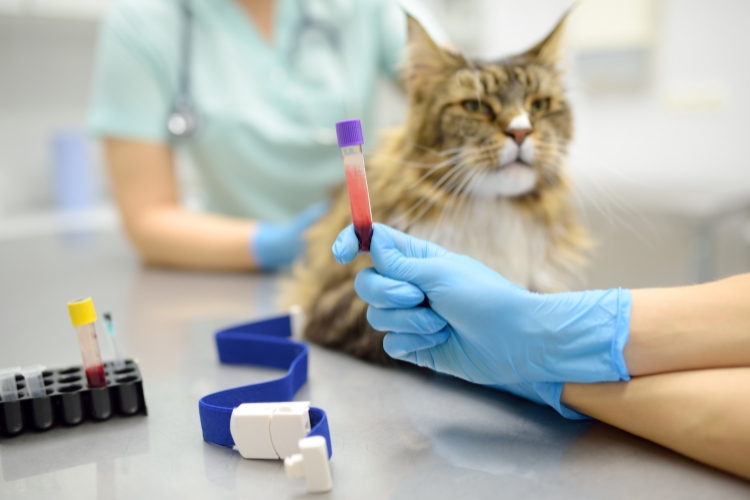
In-house testing allows certain diagnostic information to be obtained within the veterinary clinic rather than depending entirely on an outside laboratory.
The specific tests available and the information they provide can vary by veterinary practice. Depending on the pet’s symptoms and clinical findings, testing may provide information about blood cells, organ function, metabolic changes, or other aspects of the pet’s health.
Having access to relevant findings during the evaluation can help the veterinarian connect test information with what is being observed during the appointment.
The purpose is not simply to perform a test. Each test should help answer a specific clinical question.
Connecting the Physical Examination With Test Results
A physical examination remains an important starting point for diagnostic care. The veterinarian may listen to the heart and lungs, examine the abdomen, evaluate the skin and coat, check the mouth, assess movement, and observe the pet’s general condition.
These findings can help determine which diagnostic questions deserve attention.
For example, if a veterinarian notices changes during an abdominal examination, testing may be selected to provide more information about internal health. If a pet appears unusually weak or tired, laboratory testing may help identify changes that are not visible from the physical examination alone.
Combining these sources of information can provide a more complete picture.
Test Results Can Help Guide Treatment Choices
One of the most important benefits of diagnostic testing is that results can influence what happens next.
Suppose a pet’s symptoms could be caused by several different conditions. The veterinarian may use an initial test to look for evidence supporting or reducing the likelihood of certain possibilities. The results can then help determine whether supportive care, medication, monitoring, additional testing, or another approach should be considered.
This can help reduce guesswork.
Treatment decisions should be based on the individual pet’s symptoms, examination findings, medical history, and diagnostic information rather than on one symptom alone.
In-House Testing Can Support Timely Clinical Decisions
When relevant testing is available within the clinic, the veterinarian may be able to review certain findings during the pet’s visit. This can be useful when a treatment decision depends on information that cannot be obtained through observation alone.
For example, laboratory findings may provide additional context when a pet has changes in appetite, energy, hydration, or other aspects of health.
The value of in-house testing is therefore not simply convenience. Its usefulness comes from helping the veterinarian connect diagnostic information with the pet’s current condition.
Not Every Pet Needs the Same Tests
Diagnostic testing should be individualized. A young pet with one set of symptoms may need a different evaluation than an older pet with a history of ongoing health concerns.
The veterinarian may consider the pet’s age, medical history, medications, physical findings, symptoms, and previous test results before selecting a diagnostic approach.
This helps avoid a one-size-fits-all strategy.
In some cases, an initial test may provide enough information to guide the next step. In others, the findings may indicate that additional investigation is necessary.
When Advance Testing May Be Appropriate
Routine diagnostic testing can answer many important questions, but it does not always explain every health concern. If the initial findings are inconclusive or suggest a need for more detailed evaluation, the veterinarian may consider advance testing.
Advance testing may involve more specialized diagnostic methods designed to investigate a particular condition or body system.
The decision to pursue advance testing should be based on the information already available. A veterinarian may recommend it when the expected value of obtaining additional information outweighs the need for further evaluation.
This step by step process allows diagnostic care to become more focused as new information becomes available.
Results Can Help Monitor a Pet Over Time
Diagnostic testing is not only useful when a pet first develops symptoms. It can also help veterinarians monitor an existing health concern.
Comparing current findings with previous results can reveal whether certain measurements are stable, improving, or changing. This can be particularly useful for pets receiving ongoing care.
A veterinarian may use these trends when deciding whether a treatment plan should continue, be adjusted, or require additional investigation.
Keeping copies of previous veterinary records can therefore be valuable. Earlier results may provide a useful baseline for understanding what is happening now.
Owners Provide Another Important Source of Information
Diagnostic results are only one part of the overall picture. Pet owners can provide details about what happens at home, including changes in eating, drinking, activity, sleep, bathroom habits, behavior, and weight.
These observations can help the veterinarian determine which diagnostic questions are most relevant.
For example, telling the veterinarian that a pet’s appetite has gradually declined over several weeks provides different context than reporting that the pet suddenly refused one meal.
Sharing accurate timelines and previous health information can make the diagnostic process more informative.
A More Complete Approach to Pet Diagnostic Care
In-house diagnostic testing can give veterinarians useful information to consider alongside physical examination findings and medical history. When these pieces are evaluated together, the veterinarian can make more informed decisions about what should happen next.
Sometimes the result supports the initial treatment plan. Sometimes it indicates that another approach should be considered. In other situations, it shows that more investigation is needed.
This is the strength of a structured diagnostic process. Rather than focusing on one symptom or isolated test result, the veterinarian can gradually build a clearer understanding of the pet’s condition.
Pet Diagnostic Care in Brooklyn
At Northside Veterinary Clinic in Brooklyn, diagnostic evaluation can help veterinarians understand changes in a pet’s health and determine appropriate next steps. In-house diagnostic testing may provide useful information that can be considered alongside the physical examination and medical history.
If your dog or cat has unexplained changes in appetite, energy, weight, digestion, behavior, or other aspects of daily life, discussing these observations with a veterinarian can help determine whether diagnostic testing is appropriate.
Every pet has a different health history and different needs. A thoughtful approach to pet diagnostic care considers those differences when deciding which tests may provide meaningful information.
Schedule a Veterinary Appointment
If your pet has developed changes that concern you, contact Northside Veterinary Clinic to schedule an appointment or use the clinic’s online booking option. A veterinary evaluation can help determine whether diagnostic testing may be useful and what information could help guide the next step.
Bring details about your pet’s symptoms, medications, previous health concerns, and changes you have noticed at home. These details can help your veterinarian develop a more informed diagnostic plan.
Frequently Asked Questions
Q1. What is in-house diagnostic testing for pets?
Ans: In-house diagnostic testing refers to certain tests that can be performed within a veterinary clinic. Depending on the clinic’s capabilities, these tests may provide information about blood cells, organ function, metabolic changes, or other health factors.
Q2. How can diagnostic testing influence my pet’s treatment?
Ans: Test results can provide information that helps a veterinarian evaluate possible causes of symptoms and determine whether treatment, monitoring, additional testing, or another approach may be appropriate.
Q3. Does every pet need advance testing?
Ans: No. The need for advance testing depends on the individual pet’s symptoms, physical examination, medical history, and initial diagnostic findings. A veterinarian can determine whether more specialized testing is appropriate.
Q4. Can diagnostic testing be useful for pets with ongoing health conditions?
Ans: Yes. Testing can help monitor certain health concerns over time. Comparing current findings with previous results may help a veterinarian identify changes and evaluate how the pet’s condition is progressing.
Q5. What information should I give my veterinarian before diagnostic testing?
Ans: Share details about symptoms, when they began, changes in appetite or activity, medications, previous health concerns, and any relevant changes noticed at home. Previous veterinary records can also provide helpful context.
Related Articles
Find a Puppy & Kitten Vet Near Brooklyn, New York
Finding a full service vet clinic in Brooklyn for your new furry friend is easy with our online direct booking feature. Both new and existing clients seeking care from a veterinarian may schedule an appointment at Northside Veterinary Clinic.