
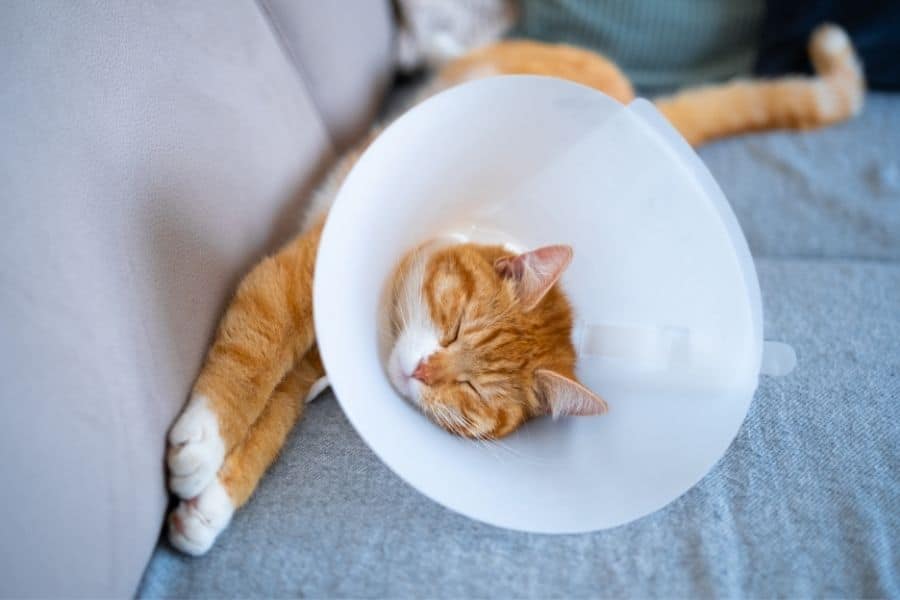
When a pet has surgery, seeing your companion return home and resume normal routines can be reassuring. However, healing continues well after the procedure is complete. A pet may appear comfortable while changes beneath the surface still need time to develop. Follow-up examinations give veterinarians an opportunity to evaluate the healing process and determine whether recovery is progressing as expected.
Follow-up care is an important part of pet surgical care because healing is not identical for every dog or cat. The type of procedure, the pet’s age, overall health, activity level, and ability to follow postoperative instructions can all influence recovery. Regular examinations allow the veterinarian to assess these factors rather than relying only on how the pet appears at home.
For pet owners in Brooklyn, understanding why these appointments matter can make the recovery process easier to manage.
Healing Is a Process, Not a Single Event
Surgical recovery happens gradually. After a procedure, the body begins repairing the affected tissues, and the visible appearance of the surgical area can change as healing progresses.
A pet may seem more energetic within a few days, but that does not necessarily mean the tissues have completely healed. Returning to normal activity too quickly can sometimes place unnecessary strain on recovering areas.
A follow-up examination allows the veterinarian to assess the pet at a specific point in the healing process and determine whether recovery is developing appropriately.
What Veterinarians Look for During a Follow-Up Exam
A postoperative examination can involve several observations. The veterinarian may examine the surgical site, assess surrounding tissue, and look for signs that healing is progressing normally.
The veterinarian may also evaluate the pet’s general condition. Appetite, activity, comfort, movement, and behavior can provide additional information about recovery.
The exact examination depends on the type of veterinary surgery performed. A procedure involving the skin may require different follow-up considerations than an operation involving bones, joints, or internal organs.
By combining these observations, the veterinarian can build a more complete picture of the pet’s recovery.
The Surgical Site Can Reveal Important Information
The appearance of the surgical area is one of the key things a veterinarian may evaluate.
Changes in swelling, redness, discharge, tenderness, or the condition of the incision can provide information about how the area is healing. The veterinarian can also determine whether the incision appears appropriately closed and whether additional care is needed.
Pet owners may find it difficult to know whether an observed change is part of normal healing or something that requires attention. A professional examination provides an opportunity to evaluate the area directly.
Follow-Up Exams Can Identify Changes Early
One benefit of postoperative examinations is that they can identify changes before they become more noticeable.
Pets are often good at hiding discomfort. Some dogs and cats may continue eating, interacting, or moving around even when something is not quite right.
A follow-up examination gives the veterinarian a chance to compare the pet’s current condition with the expected recovery timeline. If something appears different from what would normally be expected, the veterinarian can decide whether additional evaluation or a change in care is appropriate.
This is one reason follow-up visits should not be viewed as optional simply because a pet appears comfortable.
Activity Levels Can Affect Recovery
Many pets become eager to return to their normal routines after surgery. A dog may want to run or play, while a cat may attempt to jump onto furniture.
However, internal healing may continue even when the pet’s energy returns.
During a follow-up examination, the veterinarian can discuss the pet’s current activity level and determine whether restrictions should continue or can gradually be adjusted.
Owners should follow the activity instructions provided for their individual pet. The appropriate timeline can vary depending on the procedure and the patient’s overall condition.
Follow-Up Exams Can Help Assess Comfort
Pain and discomfort can change throughout recovery. A pet that was quiet immediately after surgery may become more active as healing progresses, while some pets may continue showing subtle signs of discomfort.
Veterinarians can assess movement, posture, behavior, and other clinical observations during follow-up visits.
Owners should also report changes they have noticed at home. For example, reluctance to move, changes in sleep, reduced appetite, unusual vocalization, or changes in normal behavior can provide useful context.
Combining professional observations with information from home can help the veterinarian evaluate the recovery more effectively.
Medication Needs May Change During Recovery
Some pets receive medications after surgery as part of their recovery plan. The need for medication can change as healing progresses.
During a follow-up visit, the veterinarian can review how the pet has responded and determine whether the current plan should continue or be adjusted.
Owners should not change or discontinue prescribed medications without veterinary guidance. If a pet appears unusually sleepy, refuses medication, develops a change in appetite, or shows another unexpected response, these observations should be discussed with the veterinary team.
Recovery Does Not Look Identical for Every Pet
There is no universal recovery timeline that applies equally to every pet.
A young and otherwise healthy dog may progress differently from an older cat with an existing medical condition. A pet’s nutrition, activity level, body condition, surgical procedure, and general health can all influence healing.
This is why veterinarians evaluate the individual patient rather than assuming that every pet should recover in exactly the same way.
Follow-up examinations provide an opportunity to make the recovery plan more specific to the pet’s current condition.
Follow-Up Findings Can Guide the Next Stage of Care
A follow-up examination is not only about checking whether an incision looks healthy. It can help determine what the pet should do next.
Depending on the findings, the veterinarian may recommend continuing activity restrictions, gradually increasing movement, adjusting medication instructions, providing additional care for the surgical area, or scheduling another examination.
For some procedures, several follow-up visits may be appropriate. For others, fewer appointments may be needed.
The number and timing of follow-up examinations should be based on the type of surgery and the pet’s individual recovery.
Owners Play an Important Role Between Exams
Veterinary visits provide important checkpoints, but much of the recovery period happens at home. Pet owners can support healing by following instructions carefully and observing their companion’s daily behavior.
Keep track of appetite, activity, bathroom habits, sleep, movement, and the appearance of the surgical area when appropriate. If something changes noticeably, make a note of when it began and how it has progressed.
This information can be helpful during the next appointment because the veterinarian can combine your observations with the physical examination findings.
Why Consistent Follow-Up Supports Pet Surgical Care
Surgical care does not end when a pet leaves the veterinary clinic. Follow-up examinations create opportunities to evaluate progress, address questions, and adjust care as healing develops.
For pet owners, these visits can also provide reassurance and practical guidance. Instead of wondering whether a change is normal, you can discuss it directly with the veterinarian and receive recommendations based on the pet’s current condition.
Consistent follow-up is therefore an important part of responsible pet surgical care and can help keep recovery focused on the individual needs of the patient.
Veterinary Surgery Follow-Up in Brooklyn
At Northside Veterinary Clinic in Brooklyn, postoperative examinations can help veterinarians monitor a pet’s healing and determine whether the recovery plan remains appropriate.
If your dog or cat has recently undergone veterinary surgery, following the recommended examination schedule can provide valuable opportunities to assess the surgical site, overall condition, activity level, comfort, and other aspects of recovery.
Pet owners should also feel comfortable sharing questions and observations from home. Small details about behavior or daily routines can sometimes provide useful information during a follow-up evaluation.
Schedule Your Pet’s Follow-Up Appointment
If your pet has recently undergone pet surgery, contact Northside Veterinary Clinic to schedule the recommended follow-up examination or use the clinic’s online booking option.
A follow-up visit allows your veterinarian to evaluate healing, answer your questions, and determine whether your pet’s postoperative care should continue or change. Keeping these appointments can help you stay informed throughout your companion’s recovery.
Frequently Asked Questions
Q1. Why does my pet need a follow-up exam after surgery?
Ans: A follow-up examination allows the veterinarian to evaluate healing, inspect the surgical area, assess the pet’s overall condition, and determine whether postoperative care should continue or be adjusted.
Q2. What does a veterinarian check during a surgical follow-up?
Ans: The veterinarian may examine the surgical site, assess swelling or other changes, evaluate comfort and movement, discuss appetite and activity, and review the pet’s overall recovery.
Q3. Can my pet seem healthy even if healing is not complete?
Ans: Yes. Pets can become active and appear comfortable before internal tissues have completely healed. This is why following activity instructions and attending recommended follow-up examinations are important.
Q4. Will my pet need more than one follow-up appointment?
Ans: It depends on the procedure, the pet’s health, and how recovery progresses. Some pets may need several evaluations, while others may require fewer follow-up visits.
Q5. What should I tell my veterinarian during the follow-up visit?
Ans: Share changes in appetite, activity, movement, sleep, bathroom habits, behavior, medication response, and the appearance of the surgical area. Details about when changes began can also be useful.
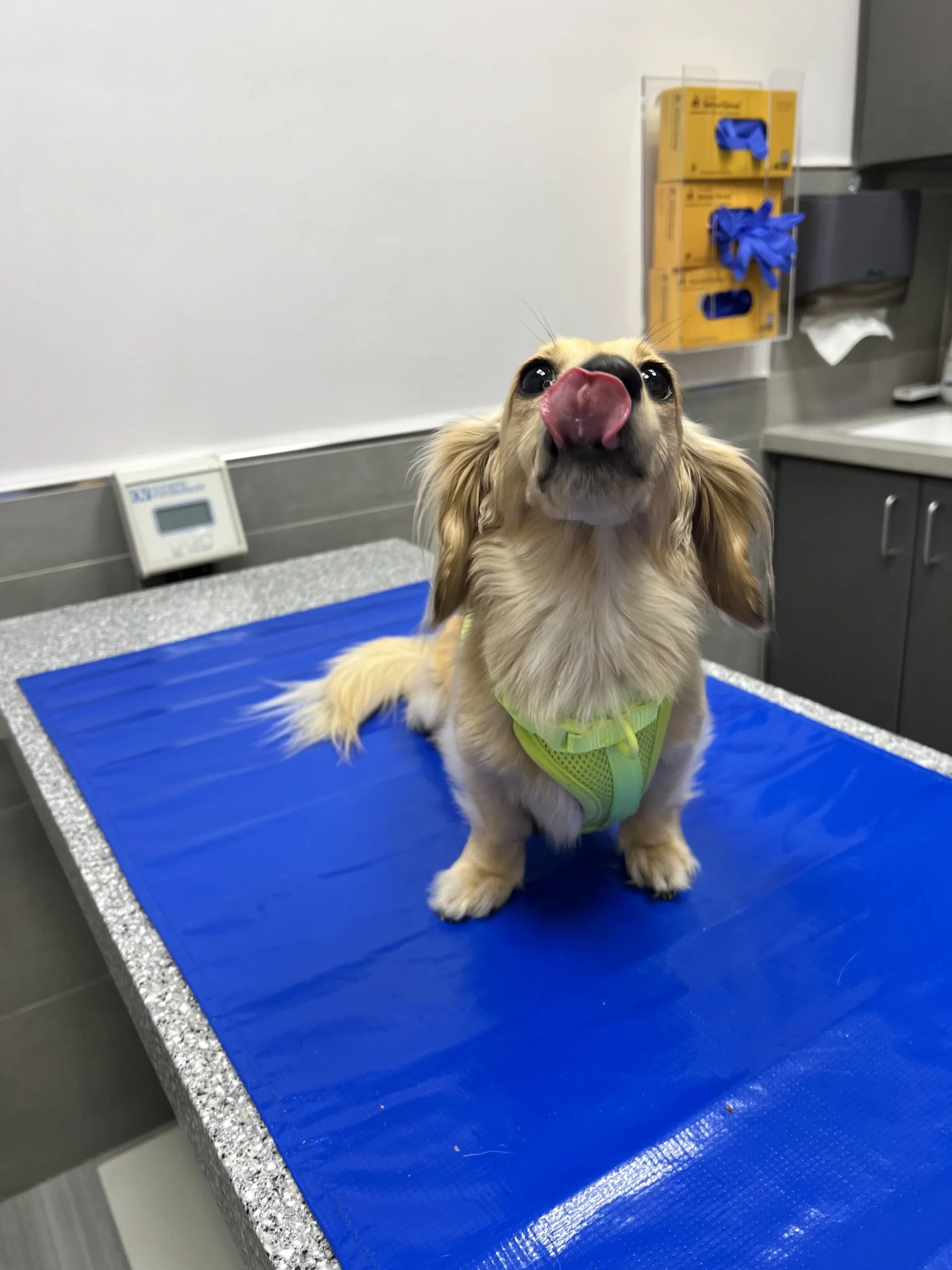
Find a Puppy & Kitten Vet Near Brooklyn, New York
Finding a full service vet clinic in Brooklyn for your new furry friend is easy with our online direct booking feature. Both new and existing clients seeking care from a veterinarian may schedule an appointment at Northside Veterinary Clinic.