
When a dog or cat needs surgery, most pet parents naturally focus on the procedure itself. However, the period after surgery is just as important. A successful recovery depends on more than what happens in the operating room. Your pet’s age, overall health, nutrition, activity level, type of procedure, home environment, and ability to follow postoperative instructions can all influence healing.
Understanding these factors can help you prepare your pet for a smoother recovery. Whether your companion is undergoing a routine procedure or a more involved operation, veterinary surgery requires thoughtful care before, during, and after the procedure.
For families in Brooklyn, working closely with your veterinary team can make the recovery process easier to understand. Knowing what to expect and recognizing changes early can help you provide the support your pet needs while healing.
Your Pet’s Age Can Influence Recovery
Age is one factor veterinarians consider when planning pet surgery and postoperative care. Young pets may recover quickly from certain procedures, while older pets can sometimes require more monitoring because they may have age related changes affecting their organs, muscles, joints, or metabolism.
Senior pets may also have underlying health conditions that influence how their bodies respond to anesthesia or surgery. This does not mean older pets cannot undergo surgery. Instead, their veterinary team may recommend additional evaluation before the procedure and closer observation during recovery.
Your veterinarian can help you understand how your pet’s age may affect the expected healing timeline.
Overall Health Matters Before Surgery
A pet’s general health can have a significant influence on recovery. Conditions involving the heart, kidneys, liver, respiratory system, or immune system may affect how the body handles anesthesia, medications, and the physical demands of healing.
This is why a preoperative examination is an important part of veterinary surgery. Depending on your pet’s age, medical history, and procedure, your veterinarian may recommend diagnostic testing before surgery.
Bloodwork and other evaluations can provide useful information about your pet’s internal health. If something unexpected is identified, the veterinary team can determine whether additional evaluation or adjustments to the surgical plan are appropriate.
The Type of Surgery Makes a Difference
Not every surgical procedure places the same demands on the body.
A relatively minor procedure may involve a shorter recovery period, while orthopedic procedures, abdominal surgeries, and other complex operations may require more restricted activity and extended monitoring.
The location of the surgical site also matters. A procedure involving a leg may require careful control of movement, while an abdominal procedure may require different restrictions.
Your veterinarian will provide instructions based on the specific procedure rather than relying on a single recovery schedule for every pet.
Nutrition Supports the Healing Process
Good nutrition provides the building blocks the body needs during recovery. After surgery, your pet may temporarily have a reduced appetite because of anesthesia, medications, stress, or discomfort.
Your veterinary team may provide specific feeding instructions depending on the procedure. Following those instructions is important because sudden dietary changes or inappropriate foods may interfere with recovery.
Make sure fresh water is available according to your veterinarian’s recommendations. If your pet refuses food for longer than expected, vomits repeatedly, or shows a significant change in appetite, contact your veterinary team for guidance.
Pain Management Can Support Recovery
Pain can affect how a pet eats, sleeps, moves, and interacts with family members. Appropriate pain management can help your pet remain more comfortable while the body heals.
Veterinarians may use different strategies depending on the procedure and your pet’s health. Medication instructions should always be followed exactly as provided.
Never give your pet human pain medication unless a veterinarian specifically instructs you to do so. Some medications that are commonly used by people can be harmful to dogs and cats.
If your pet seems unusually uncomfortable despite the prescribed plan, let your veterinary team know so the situation can be evaluated.
Activity Restrictions Are Important
One of the biggest challenges after pet surgery is preventing too much activity too soon.
Your pet may feel better before the surgical site and internal tissues have fully healed. A dog may want to run or jump, while a cat may attempt to climb furniture or leap onto high surfaces.
Too much activity can place stress on healing tissues and may interfere with recovery. Depending on the procedure, your veterinarian may recommend leash walks, restricted movement, limited jumping, or a temporary change to your pet’s normal routine.
Following these instructions can be one of the most important things you do at home.
The Home Environment Can Affect Healing
Your pet’s surroundings can make postoperative care easier or more difficult.
Before bringing your pet home, consider where they will rest. A quiet, comfortable area away from excessive household activity may help them settle. For dogs, keeping outdoor activity controlled may be necessary. For cats, limiting access to high furniture or stairs may be helpful when recommended by the veterinary team.
If you have multiple pets, temporary separation may sometimes be useful. Other animals may unintentionally encourage play, disturb the recovering pet, or interfere with the surgical site.
Creating a calm recovery space can help your pet follow the restrictions provided by your veterinarian.
Preventing Licking and Chewing Matters
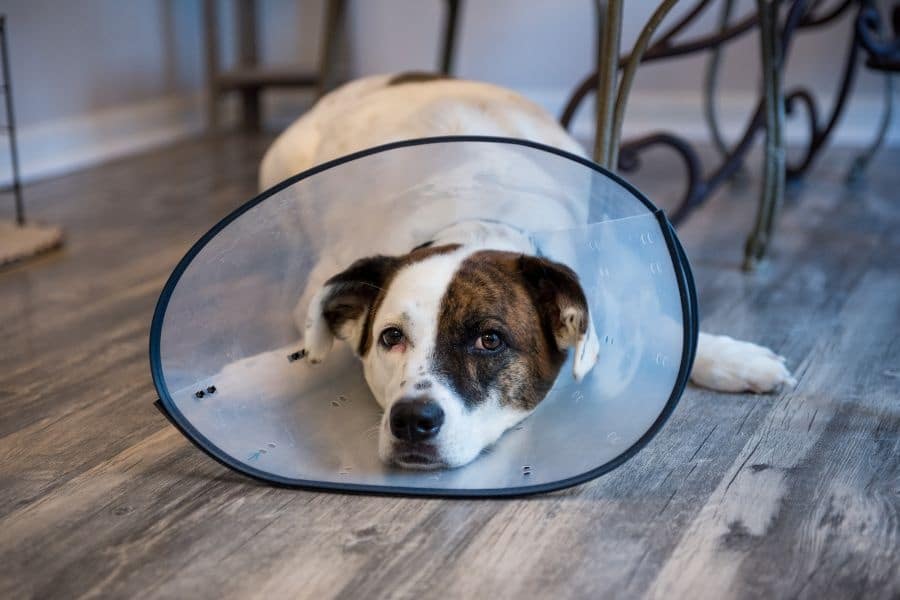
Many pets naturally want to lick or chew an area that feels unusual. However, excessive attention to a surgical incision can interfere with healing.
Your veterinarian may recommend an appropriate protective device depending on the procedure and your pet’s behavior.
Check the surgical area as instructed. Look for changes such as increasing redness, swelling, discharge, separation of the incision, or other unusual changes.
Do not apply creams, cleaners, or household products to the surgical site unless your veterinarian specifically recommends them.
Medication Instructions Should Be Followed Carefully
Postoperative medications may be prescribed to support comfort, healing, or other aspects of recovery. Give medications exactly according to the instructions provided by your veterinary team.
If your pet spits out medication, vomits after receiving it, or you accidentally miss a dose, contact the veterinary clinic for guidance instead of automatically giving another dose.
Keep all medications stored securely and out of reach of pets and children.
Stress Can Influence Your Pet’s Recovery
Surgery can be stressful for pets. Changes in routine, unfamiliar surroundings, transportation, restricted activity, and discomfort can all affect behavior.
Some pets may become quieter after surgery, while others may appear restless or unusually clingy. Providing a familiar bed, calm surroundings, and gentle interaction can help your pet feel secure.
Cats may particularly benefit from a quiet area where they can rest without being disturbed. Dogs may appreciate calm companionship while their normal exercise routine is temporarily limited.
Following Veterinary Instructions Helps
Every surgical patient is different. Recovery instructions are based on the procedure performed, your pet’s health, and the veterinarian’s assessment.
It can be helpful to write down instructions before leaving the clinic. Ask questions if you are unsure about feeding, activity, medication, incision monitoring, bathing, or follow up care.
Do not assume that a pet who looks better is ready to return to normal activity. Internal healing may continue even when your pet appears energetic.
Follow Up Care Is Part of Recovery
Follow up appointments allow the veterinary team to evaluate healing and determine whether your pet is ready for the next stage of activity.
Depending on the procedure, your veterinarian may assess the incision, remove sutures when appropriate, evaluate movement, or discuss changes to medications and activity restrictions.
Keep all recommended follow up appointments and bring any questions or observations you have noticed at home.
When to Contact Your Veterinary Team
Pet parents should monitor their companion closely during recovery. Changes such as worsening discomfort, significant lethargy, repeated vomiting, difficulty breathing, refusal to eat or drink, unusual discharge, increasing swelling, or changes around the incision should be discussed with your veterinary team.
The appropriate response depends on the individual procedure and your pet’s condition. When something seems different from the recovery instructions you received, contacting your veterinary clinic can help determine what to do next.
Supporting Pet Surgery Recovery in Brooklyn
A pet’s recovery is influenced by many interconnected factors. Age, existing health conditions, nutrition, pain control, activity restrictions, stress, medications, and home care can all contribute to the healing process.
For pet parents in Brooklyn, Northside Veterinary Clinic can provide guidance throughout the surgical process. Understanding your pet’s individual needs and following personalized postoperative instructions can help create a supportive environment for recovery.
Whether your pet is preparing for veterinary surgery or returning home after a procedure, communication with your veterinary team is an important part of the process.
Schedule Pet Surgical Services
If your pet needs surgery or you have questions about preparing for a procedure, schedule an online appointment with Northside Veterinary Clinic in Brooklyn. Your veterinary team can discuss the procedure, explain preparation steps, and provide personalized postoperative guidance.
If your pet has already had surgery and you are unsure about activity, nutrition, medication, incision care, or recovery progress, contact our vet clinic for professional guidance. Schedule an appointment online and take an informed approach to your pet’s surgical care.
FAQ or Frequently Asked Questions
Q1. How long does it take for a pet to recover after surgery?
Ans: Recovery time varies depending on the type of surgery, your pet’s age, health, and individual healing process. Your veterinarian can provide a more specific timeline based on the procedure performed.
Q2. Why does my pet need restricted activity after surgery?
Ans: Healing tissues can be damaged by excessive running, jumping, or other strenuous movement. Activity restrictions help protect the surgical site while the body continues to heal.
Q3. What should I do if my pet will not eat after surgery?
Ans: A temporary appetite change can occur after surgery, but the expected timeframe depends on the procedure and your pet’s condition. Follow the feeding instructions provided by your veterinary team and contact them if your pet does not resume eating as expected.
Q4. How can I stop my pet from licking the surgical incision?
Ans: Your veterinarian may recommend a protective device or another strategy based on the procedure and your pet’s behavior. Preventing licking is important because repeated attention to an incision can interfere with healing.
Q5. Why is follow up care important after pet surgery?
Ans: Follow up visits allow your veterinarian to assess healing and determine whether medications, activity restrictions, or other parts of the recovery plan should be adjusted. They also provide an opportunity to address questions or unexpected changes.
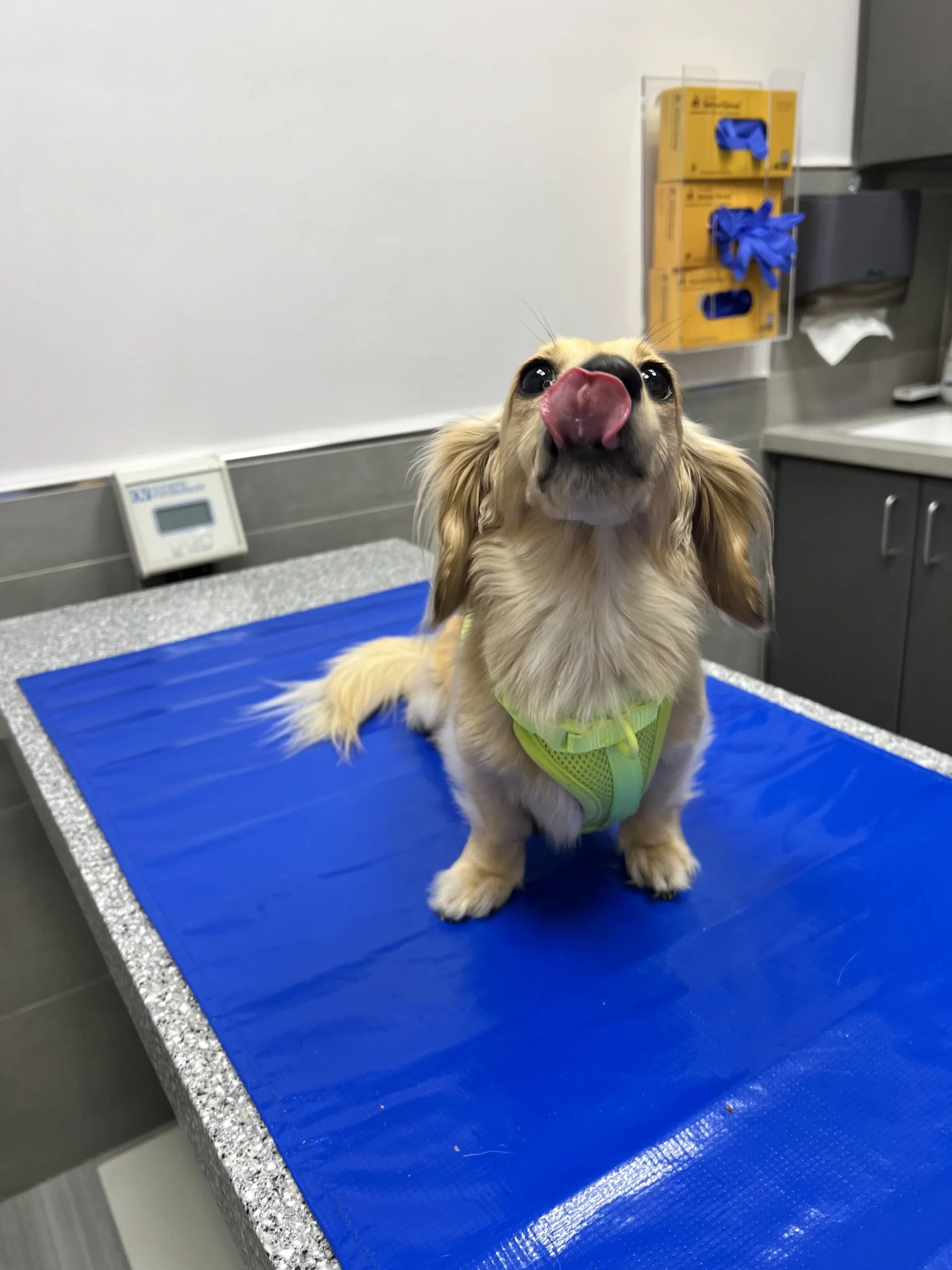
Find a Puppy & Kitten Vet Near Brooklyn, New York
Finding a full service vet clinic in Brooklyn for your new furry friend is easy with our online direct booking feature. Both new and existing clients seeking care from a veterinarian may schedule an appointment at Northside Veterinary Clinic.