

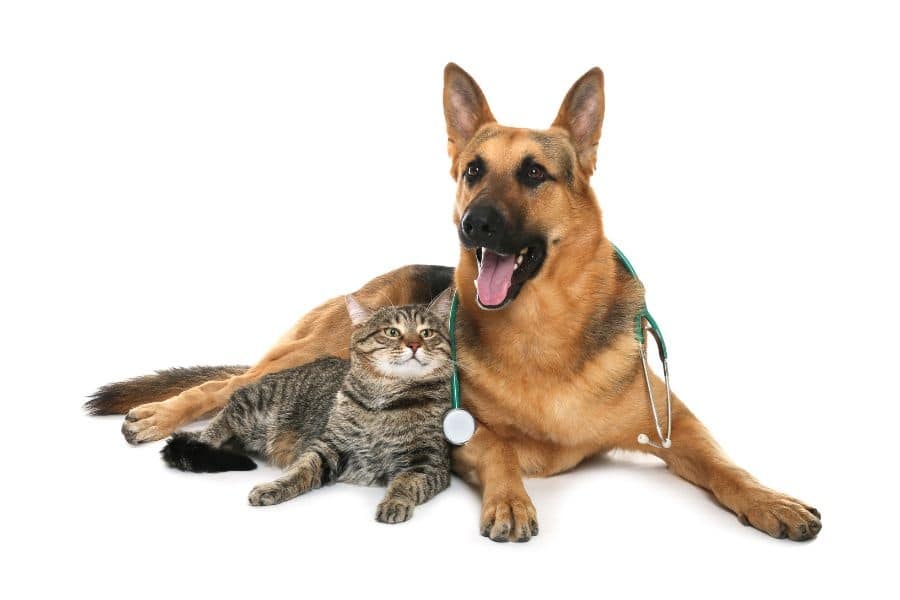
Life with pets in a busy city comes with unique challenges. From crowded sidewalks and busy traffic to accidental exposure to harmful substances, urban environments can create situations where pets need prompt medical attention. Knowing when to seek urgent pet care can make a significant difference in protecting your companion’s health and comfort.
Many pet owners assume that serious health concerns always appear dramatically, but that is not always the case. Some conditions begin with subtle signs that quickly become more concerning if left unaddressed. Understanding these warning signals can help you make informed decisions and get your pet the care they need at the right time.
Why Urban Pets Face Unique Health Risks
City pets often encounter situations that pets in quieter areas may experience less frequently. Dogs and cats living in Brooklyn are exposed to busy streets, unfamiliar objects, food waste, environmental pollutants, and interactions with numerous animals.
Common urban pet health concerns include:
- Accidental ingestion of harmful items
- Paw injuries from broken glass or debris
- Respiratory irritation from environmental pollutants
- Heat-related issues during warmer months
- Digestive upset from eating discarded food
- Minor injuries from unexpected encounters with other animals
While not every issue requires immediate veterinary attention, some situations warrant prompt evaluation to prevent complications.
Signs Your Pet May Need Prompt Veterinary Attention
Recognizing unusual behavior is one of the most important responsibilities of a pet owner. Pets often hide discomfort, making it essential to notice changes in their routine.
Sudden Changes in Energy Levels
If your normally active pet becomes unusually lethargic, refuses to play, or seems unwilling to move, it may indicate an underlying medical problem.
Watch for:
- Excessive sleeping
- Reluctance to walk
- Lack of interest in favorite activities
- Weakness or difficulty standing
These symptoms can signal various health concerns that deserve veterinary evaluation.
Persistent Vomiting or Diarrhea
Occasional stomach upset may resolve on its own, but repeated vomiting or diarrhea can quickly lead to dehydration and other complications.
Seek professional care if your pet:
- Vomits multiple times in a short period
- Cannot keep water down
- Has diarrhea lasting more than a day
- Appears weak or dehydrated
Digestive issues are among the most common reasons pet owners seek urgent pet care.
Difficulty Breathing
Breathing problems should never be ignored. Rapid breathing, wheezing, excessive panting, or labored breathing can indicate a serious issue.
Signs to watch for include:
- Open-mouth breathing in cats
- Noisy breathing
- Blue or pale gums
- Persistent coughing
Prompt veterinary assessment can help identify the cause and determine the appropriate treatment.
Common City-Related Injuries in Pets
Urban living presents risks that many pet owners do not immediately consider.
Paw and Foot Injuries
Sidewalks, construction zones, and sharp debris can cause cuts or puncture wounds.
You may notice:
- Limping
- Excessive paw licking
- Visible bleeding
- Reluctance to walk
Even small wounds can become infected if not properly treated.
Foreign Object Ingestion
Pets are naturally curious and may swallow items they find during walks or at home.
Potential hazards include:
- Plastic pieces
- Food wrappers
- String or ribbon
- Small toys
- Household objects
Foreign objects can create digestive blockages that require immediate veterinary attention.
When Sick Care Should Not Be Delayed
Many illnesses begin with mild symptoms but progress rapidly. Seeking sick care at the appropriate time helps prevent conditions from becoming more serious.
Loss of Appetite
A pet that skips one meal may not necessarily be ill, but a prolonged loss of appetite deserves attention.
Potential concerns include:
- Dental discomfort
- Digestive disorders
- Infections
- Organ-related conditions
Unusual Behavior Changes
Pets often communicate discomfort through behavioral changes.
Examples include:
- Hiding more than usual
- Increased irritability
- Restlessness
- Excessive vocalization
- Reduced interaction with family members
Behavioral shifts can provide valuable clues about a pet’s health status.
Understanding the Role of Priority Care
Not every health concern requires extensive treatment, but some situations should be addressed sooner rather than later. This is where priority care becomes valuable.
Priority care may help pets experiencing:
- Minor injuries
- Persistent digestive issues
- Ear discomfort
- Eye irritation
- Skin reactions
- Mild mobility concerns
Prompt evaluation often leads to earlier diagnosis and faster relief for your pet.
How Pet Owners Can Respond Before Visiting a Veterinarian
When a health concern arises, staying calm is important.
Consider the following steps:
- Observe your pet carefully.
- Note any unusual symptoms.
- Record when symptoms began.
- Prevent additional activity if injury is suspected.
- Contact a veterinary professional for guidance.
Providing detailed information helps veterinary teams better understand your pet’s condition.
The Importance of Early Evaluation
Many pet health issues respond more effectively when identified early. Waiting too long can sometimes allow conditions to worsen, resulting in longer recovery periods.
Benefits of prompt care include:
- Earlier diagnosis
- Improved treatment options
- Reduced discomfort
- Better long-term outcomes
- Greater peace of mind for pet owners
For pets living in active urban environments, proactive monitoring is an important part of responsible ownership.
Supporting Your Pet’s Health Year-Round
Preventive wellness visits, proper nutrition, regular exercise, and attentive observation all contribute to a healthier life. However, even the most well-cared-for pets can occasionally experience unexpected health concerns.
Pet owners in Brooklyn often encounter unique environmental factors that make vigilance especially important. Knowing the difference between routine concerns and situations requiring prompt medical attention can help ensure your pet receives appropriate care when needed.
Before seeking care, always trust your instincts. If something feels unusual about your pet’s behavior or condition, it is worth consulting a veterinary professional.
Schedule Your Pet’s Visit Today
At Northside Veterinary Clinic, our team is committed to helping pets receive timely medical attention when health concerns arise. Schedule an online appointment to ensure your companion receives professional care and evaluation tailored to their needs.
Call our team at (718) 387-0541 to discuss your pet’s symptoms and arrange a visit.
FAQ
Q1. How can I tell if my pet needs urgent veterinary attention?
Changes such as difficulty breathing, repeated vomiting, extreme lethargy, loss of balance, or unusual behavior may indicate a condition requiring prompt evaluation. Monitoring symptoms closely and contacting a veterinarian when concerns arise can help determine the appropriate next steps for your pet.
Q2. Are city pets more likely to experience accidental injuries?
Urban environments can expose pets to hazards such as debris, discarded food, traffic, and crowded public spaces. While many pets navigate city life safely, these factors can increase the likelihood of cuts, digestive issues, and other health concerns requiring veterinary care.
Q3. What should I do if my pet eats something suspicious?
Try to identify what was consumed and how much was ingested. Avoid attempting home remedies without professional guidance. Contact a veterinary clinic as soon as possible and provide details about the item, your pet’s size, and any symptoms that have developed.
Q4. Can behavioral changes indicate a medical problem?
Yes. Pets often express discomfort through changes in behavior rather than obvious physical symptoms. Increased hiding, aggression, restlessness, or withdrawal from normal activities may indicate an underlying health issue that should be evaluated by a veterinarian.
Q5. How does priority care differ from routine veterinary visits?
Priority care focuses on health concerns that should be addressed promptly but may not require extensive intervention. It helps veterinarians assess developing issues quickly, allowing pets to receive timely treatment before conditions potentially become more complicated.



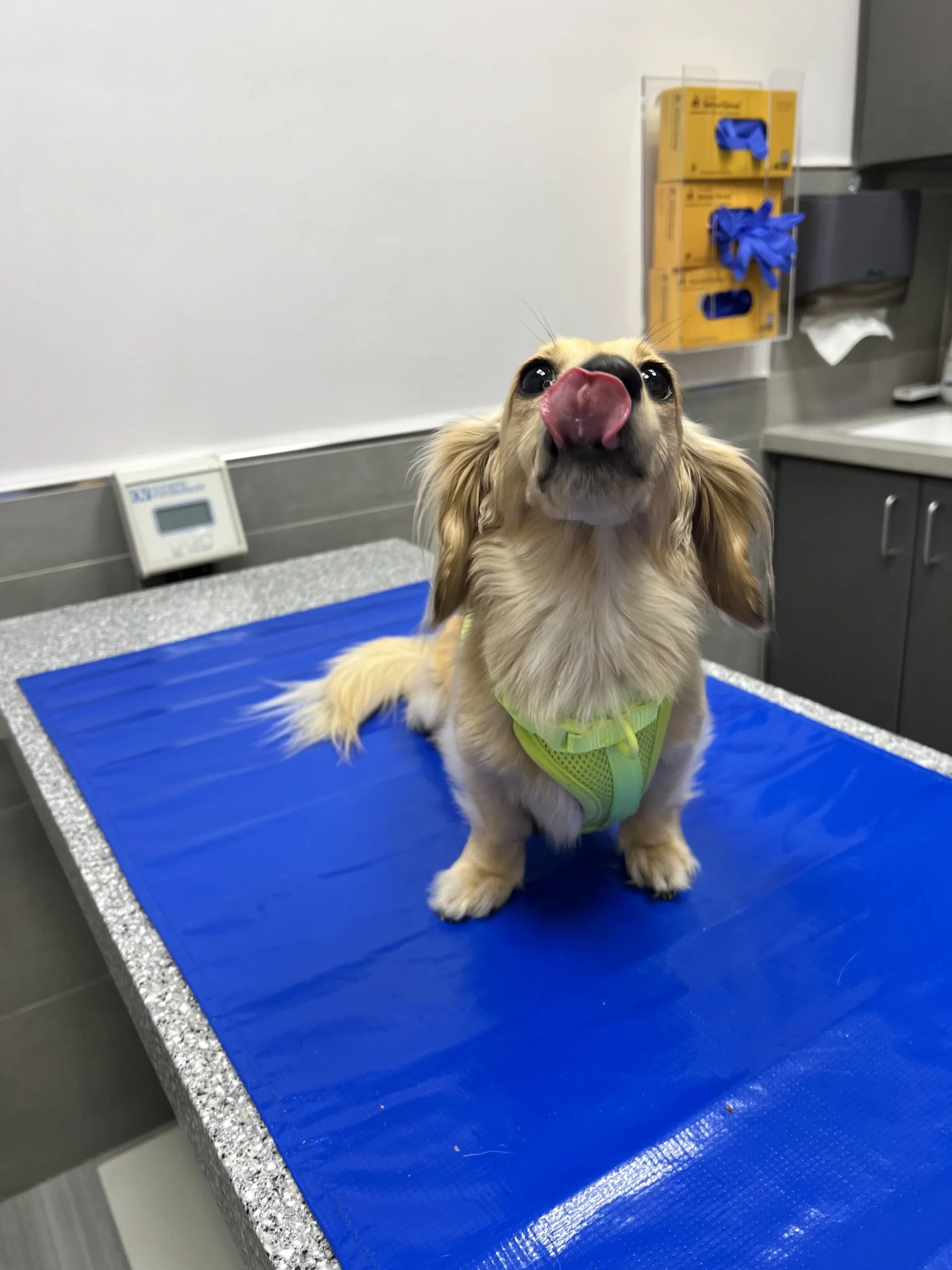
Find a Puppy & Kitten Vet Near Brooklyn, New York
Finding a full service vet clinic in Brooklyn for your new furry friend is easy with our online direct booking feature. Both new and existing clients seeking care from a veterinarian may schedule an appointment at Northside Veterinary Clinic.