

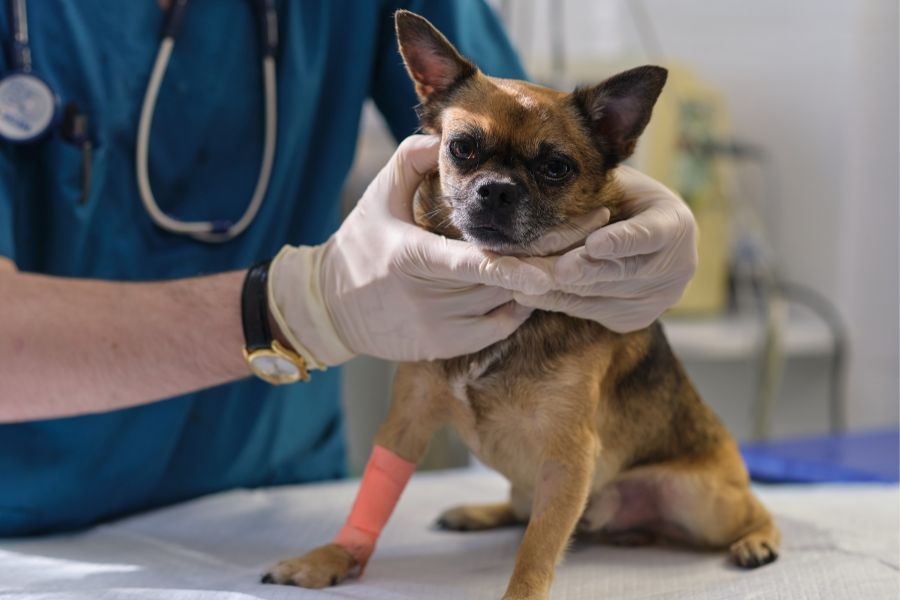
One of the most remarkable things about modern veterinary medicine is its ability to identify what is happening inside your pet’s body long before outward symptoms appear. By the time a pet owner notices that something is wrong, such as a change in appetite, unusual lethargy, or a shift in behavior, the underlying condition may have already been developing for weeks, months, or even longer. At Northside Veterinary Clinic, we believe that early detection through advanced diagnostic testing and preventive care is not just good medicine; it is one of the most meaningful things we can do for the pets in our care.
Why Pets Don’t Show Symptoms Early
Animals are instinctively wired to conceal vulnerability. In the wild, showing signs of weakness can make an animal a target, and even generations of domestication have not fully erased that instinct. Dogs and cats are remarkably good at masking discomfort, pain, and illness, often continuing to eat, play, and behave normally well into the progression of a serious condition.
This biological tendency means that by the time a pet is visibly unwell, the disease process is often already significantly advanced. Conditions like chronic kidney disease, early-stage cancer, diabetes, thyroid disorders, and heart disease can develop quietly for months before producing symptoms obvious enough for an owner to notice. In many cases, earlier detection would have meant simpler treatment, better outcomes, and more time.
This is the core value proposition of preventive care: not waiting for illness to announce itself, but actively looking for it before it has the chance to take hold.
What a Veterinarian Looks for During a Wellness Exam
A routine wellness exam is far more comprehensive than it may appear from the outside. While it might look like a straightforward checkup, your veterinarian is systematically evaluating dozens of indicators of health and disease during every visit.
From the moment your pet enters the exam room, your veterinarian is observing gait, posture, coat condition, body condition score, respiratory pattern, and behavioral cues. The hands-on physical examination that follows covers the eyes, ears, oral cavity, lymph nodes, thyroid gland, heart and lungs, abdomen, skin, joints, and the musculoskeletal system. Each area is assessed not just in isolation but as part of an interconnected picture of your pet’s overall health.
Many significant findings, such as a heart murmur detected years before it becomes symptomatic, a subtle thickening of the thyroid gland, mild abdominal tenderness, or early dental disease threatening systemic health, are discovered during these routine examinations. Without consistent preventive care visits, these findings simply go undetected until they cause obvious problems.
The Role of Advanced Diagnostic Testing
A physical exam alone, however thorough, has limits. The true power of early detection lies in combining clinical assessment with advanced diagnostic testing, such as laboratory and imaging tools that allow your veterinary team to look inside your pet’s body with precision and clarity.
Blood work is one of the most informative diagnostic tools available. A complete blood count (CBC) evaluates red and white blood cells and platelets, revealing signs of anemia, infection, inflammation, and immune system disorders. A chemistry panel assesses organ function, including the kidneys, liver, and pancreas, as well as blood glucose, electrolytes, and protein levels. Thyroid testing can detect hyperthyroidism in cats and hypothyroidism in dogs, both of which can affect virtually every system in the body.
Urinalysis provides a window into kidney function, hydration status, and the presence of infection, crystals, protein, or glucose in the urine. Changes in urine concentration and composition are often among the earliest detectable signs of kidney disease, appearing well before any rise in blood values.
Diagnostic imaging, including digital X-rays and ultrasound, allows your veterinarian to evaluate the size, shape, and structure of internal organs, detect masses or fluid accumulation, assess bone and joint health, and identify abnormalities in the chest and abdomen that no physical exam could reveal. In Brooklyn, where pets often live in dynamic urban environments with exposure to a wide range of stressors and potential hazards, imaging can be particularly valuable for identifying issues that lifestyle or environment may contribute to.
Heartworm and infectious disease testing, parasite screening, blood pressure measurement, and ocular pressure testing are additional tools your veterinarian may incorporate depending on your pet’s age, breed, and individual risk factors.
Conditions Commonly Caught Early Through Preventative Care
The list of conditions that can be identified and successfully managed through early detection is extensive. Here are some of the most significant.
Chronic kidney disease (CKD) is one of the most common conditions in senior cats and is increasingly prevalent in older dogs. By the time clinical signs appear, up to 75% of kidney function may already be lost. Routine urinalysis and blood work can detect early kidney changes long before this threshold, allowing for dietary and medical interventions that meaningfully slow progression.
Hyperthyroidism in cats is almost universally manageable when caught early, yet the initial signs are subtle and easily attributed to normal aging. Regular thyroid screening through blood work is the most reliable way to identify it in its early stages.
Diabetes mellitus in both dogs and cats produces characteristic changes in blood glucose and urine glucose that are identifiable through routine laboratory testing before the classic signs of increased thirst and urination become obvious to owners.
Dental disease, present in the majority of pets over three years of age, is identified during routine oral examinations and, if left unaddressed, can contribute to heart, kidney, and liver disease over time. Early intervention prevents this systemic progression.
Heart disease, early-stage cancer, Cushing’s disease, Addison’s disease, and hypertension are among the many other conditions that advanced diagnostic testing helps identify before they reach a critical stage.
How Often Should Your Pet Be Screened?
The frequency of preventive care visits and diagnostic screening depends on your pet’s age, species, breed, and health history. For most healthy adult dogs and cats, an annual wellness exam with routine blood work and urinalysis provides an excellent baseline. Senior pets, generally those over seven years of age, benefit from biannual visits, as the pace at which age-related conditions can develop and change accelerates significantly in the later years of life.
Pets with known health conditions, those on long-term medications, or those of breeds with known genetic predispositions to specific diseases may benefit from even more frequent monitoring. Your veterinarian at Northside Veterinary Clinic will work with you to build a personalized screening schedule that reflects your individual pet’s needs, not a one-size-fits-all protocol.
What You Can Do at Home to Support Early Detection
Preventive care is a partnership between your veterinary team and you as a pet owner. The time your veterinarian spends with your pet during a wellness visit is invaluable, but it represents a small fraction of the total hours your pet spends in your care. Your daily observations are an irreplaceable part of the early detection picture.
Pay attention to changes in appetite, water intake, energy level, bathroom habits, coat and skin condition, and behavior. Note any new lumps, bumps, or areas of tenderness. If your pet seems to be favoring a limb, sleeping more than usual, or behaving differently in ways you cannot easily explain, bring those observations to your next veterinary visit, or schedule one sooner if the change is significant.
The more information you can share with your veterinarian, the more complete and accurate the assessment they can provide.
Conclusion: The Best Time to Find a Problem Is Before It’s a Problem
Every day that a hidden condition goes undetected is a day that treatment options narrow and the road to recovery becomes harder. Preventative care and advanced diagnostic testing give your veterinarian the tools to find what’s quietly developing before it becomes a crisis and give your pet the best possible chance at a long, healthy, comfortable life.
At Northside Veterinary Clinic, our team is committed to proactive, thorough veterinary care that looks beyond today’s visit and invests in your pet’s long-term wellbeing. If your pet is overdue for a wellness exam or has never had baseline diagnostic screening, now is the time. Reserve your pet’s appointment online for expert care tailored to their needs. Book your pet’s appointment today for trusted, compassionate veterinary care.
Frequently Asked Questions
Q1. What can a veterinarian detect during a routine wellness exam?
During a comprehensive wellness exam, your veterinarian evaluates your pet’s entire body. From eyes and ears to heart, lungs, abdomen, joints, and skin. Combined with advanced diagnostic testing such as blood work, urinalysis, and imaging, a routine visit can detect conditions including kidney disease, diabetes, thyroid disorders, heart disease, dental disease, and early-stage cancer — often before any symptoms are visible.
Q2. How does advanced diagnostic testing differ from a basic physical exam?
A physical exam relies on your veterinarian’s senses, such as sight, touch, and hearing, to assess what can be observed externally and through palpation and auscultation. Advanced diagnostic testing uses laboratory analysis and imaging to evaluate what cannot be seen or felt, providing objective data on organ function, blood composition, internal structures, and disease markers that a physical exam alone cannot reveal.
Q3. At what age should my pet start having diagnostic blood work done?
Most veterinarians recommend beginning routine blood work in early adulthood, around one to two years of age, to establish a baseline for comparison at future visits. Senior pets benefit from more comprehensive and frequent screening. Your veterinarian will recommend the most appropriate starting point based on your pet’s individual circumstances.
Q4. How does preventative care save money in the long run?
Catching a condition in its early stages almost always means simpler, less intensive, and less expensive treatment than addressing the same condition once it has progressed. For example, managing early-stage kidney disease with dietary changes costs a fraction of what late-stage management requires. The upfront investment in diagnostic care typically pays for itself many times over in avoided treatment costs, as well as in your pet’s quality of life.
Q5. What should I bring to my pet’s wellness exam to help with early detection?
Bring a list of any behavioral or physical changes you’ve noticed at home, even if they seem minor. Note changes in appetite, thirst, energy, bathroom habits, coat condition, or mobility. If your pet is on any medications or supplements, bring those details as well. A fresh urine sample may be requested in advance. The more context you can provide, the more productive and thorough the visit will be.

Find a Puppy & Kitten Vet Near Brooklyn, New York
Finding a full service vet clinic in Brooklyn for your new furry friend is easy with our online direct booking feature. Both new and existing clients seeking care from a veterinarian may schedule an appointment at Northside Veterinary Clinic.