

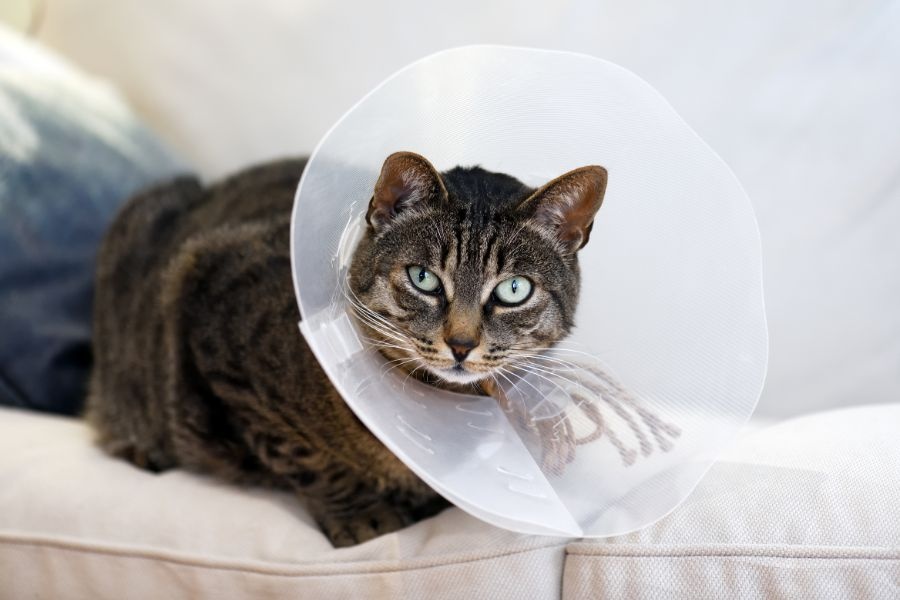
Cats are known for hiding discomfort and adapting to physical changes remarkably well. Because of this, it can sometimes be difficult for pet owners to recognize when a health issue requires more than routine veterinary care. While many conditions can be managed through monitoring or medical treatment, there are situations where cat surgery may be recommended to improve your pet’s health, comfort, and quality of life.
Understanding the signs that could indicate a need for surgical intervention allows cat owners to seek professional guidance sooner and make informed decisions about their pet’s care. Although surgery can sound intimidating, modern veterinary medicine offers many procedures designed to help cats recover and return to their normal routines.
Understanding When Surgery May Be Recommended
Surgery is often considered when a condition cannot be effectively managed through conservative treatment alone. Veterinarians carefully evaluate each cat’s overall health, symptoms, and diagnostic findings before recommending a surgical procedure.
Some common reasons surgery may be considered include:
- Persistent growths or masses
- Internal injuries
- Dental disease affecting quality of life
- Certain orthopedic conditions
- Foreign object ingestion
- Chronic discomfort that does not improve with treatment
Every case is unique, which is why professional evaluation is essential.
Changes in Mobility and Physical Activity
Cats are naturally agile and active animals. If your cat suddenly becomes less mobile or appears uncomfortable during normal activities, it may indicate an underlying issue requiring further investigation.
Watch for signs such as:
- Difficulty jumping onto furniture
- Limping or favoring a leg
- Reluctance to climb stairs
- Reduced activity levels
- Trouble standing or walking comfortably
In some situations, orthopedic procedures or other forms of veterinary surgery may be recommended to address the underlying problem.
Persistent Lumps or Unusual Growths
Not every lump is a serious concern, but any new growth should be examined by a veterinarian.
A veterinary evaluation is especially important if a lump:
- Continues to grow
- Changes in appearance
- Causes discomfort
- Interferes with movement
- Appears suddenly
Diagnostic testing may help determine whether surgical removal is the most appropriate option.
Ongoing Digestive Issues
Digestive concerns occasionally occur in cats, but recurring symptoms should not be ignored.
Potential warning signs include:
- Frequent vomiting
- Persistent loss of appetite
- Difficulty passing stool
- Visible abdominal discomfort
- Unexplained weight loss
Certain digestive conditions may require veterinary surgery for cat patients when other treatment options are not sufficient to resolve the issue.
Signs Your Cat May Need Cat Surgery After an Injury
Cats are curious animals and can occasionally experience injuries during everyday activities. While some injuries heal with rest and supportive care, others may require surgical intervention.
Possible signs include:
- Swelling that does not improve
- Difficulty bearing weight
- Visible wounds
- Persistent pain
- Changes in normal movement
Prompt veterinary evaluation helps determine the extent of the injury and whether surgery may be beneficial.
Breathing or Eating Difficulties
Changes in eating habits or breathing patterns can sometimes indicate structural issues that require veterinary attention.
You should contact a veterinarian if your cat experiences:
- Difficulty chewing food
- Trouble swallowing
- Persistent mouth discomfort
- Unusual breathing sounds
- Labored breathing
Depending on the cause, surgical treatment may be recommended to improve function and comfort.
Chronic Dental Problems
Dental health plays an important role in your cat’s overall well-being. Advanced dental disease can affect eating habits, comfort, and daily activities.
Signs of dental concerns may include:
- Bad breath
- Difficulty eating
- Dropping food while chewing
- Excessive drooling
- Pawing at the mouth
Some dental conditions require surgical procedures to address damaged teeth or other oral health issues.
Changes in Bathroom Habits
Cats are generally consistent in their litter box habits. Significant changes may indicate underlying medical concerns that require professional assessment.
Watch for:
- Straining during elimination
- Increased frequency of attempts
- Visible discomfort
- Blood in urine or stool
- Avoidance of the litter box
Diagnostic testing can help determine whether surgery is part of the recommended treatment plan.
The Importance of Early Veterinary Evaluation
One of the most important things pet owners can do is seek veterinary guidance when unusual symptoms appear. Early evaluation helps veterinarians identify underlying conditions and discuss all available treatment options.
Veterinary professionals may use:
- Physical examinations
- Imaging studies
- Laboratory testing
- Health history reviews
This information allows them to determine whether surgery is necessary and develop an appropriate care plan.
Supporting Your Cat Before and After Surgery
If surgery is recommended, preparation and follow-up care play an important role in recovery.
Your veterinary team may provide guidance regarding:
- Feeding instructions
- Activity restrictions
- Medication schedules
- Follow-up appointments
- Home care recommendations
Following these instructions closely helps support a smoother recovery process and promotes positive outcomes.
Helping Your Cat Live a Healthier Life
Surgical procedures are sometimes an important part of managing certain health conditions and improving long-term quality of life. Recognizing potential warning signs and seeking timely veterinary advice can help ensure your cat receives the care they need.
If you are from Brooklyn and looking for guidance regarding cat surgery, a qualified veterinary team can evaluate your pet’s condition and discuss the most appropriate treatment options based on their individual needs.
Schedule an Online Appointment Today
If your cat has been showing signs of discomfort, mobility changes, unusual growths, or other health concerns, schedule an online appointment with Northside Veterinary Clinic today. Our team is committed to providing compassionate care and helping you make informed decisions about your cat’s health and well-being.
Frequently Asked Questions
Q1. How do I know if my cat may need surgery?
Cats that experience ongoing discomfort, mobility issues, unusual growths, persistent digestive concerns, or significant behavioral changes should be evaluated by a veterinarian. A thorough examination can help determine whether surgery is an appropriate treatment option.
Q2. Are all lumps on cats removed surgically?
Not necessarily. Veterinarians often perform diagnostic testing to determine the nature of a lump before recommending treatment. Some growths may require monitoring, while others may benefit from surgical removal.
Q3. Can digestive problems indicate a need for surgery?
Certain digestive conditions may require surgical intervention, particularly when symptoms are persistent or caused by physical obstructions or structural abnormalities. Veterinary evaluation is necessary to determine the underlying cause.
Q4. What happens before a veterinary surgical procedure?
Before surgery, veterinarians typically perform a physical examination and may recommend diagnostic testing to assess your cat’s health. These steps help create a treatment plan tailored to your pet’s needs.
Q5. How long does recovery take after cat surgery?
Recovery times vary depending on the procedure and the individual cat. Your veterinarian will provide specific aftercare instructions and follow-up recommendations to help support a safe and comfortable recovery.
Find a Puppy & Kitten Vet Near Brooklyn, New York
Finding a full service vet clinic in Brooklyn for your new furry friend is easy with our online direct booking feature. Both new and existing clients seeking care from a veterinarian may schedule an appointment at Northside Veterinary Clinic.